

.webp?language=en-US)


Public Practice Regulation & Compliance
Public Policy Development, Ordinances, Development Standards & Guidelines, Zoning Review, Permitting, Specifications

Government agencies and institutions are responsible for the creation, approval, and enforcement of regulations to implement a given law in order to protect individuals, property, and the environment. The preparation of regulations involves research, planning, community engagement, and review and approval by the governing bodies. Several principles for preparing and enforcing regulatory requirements include:
- Regulatory requirements are based on a specific law and designed to carry out the intent of those laws.
- Regulations are based on stakeholder input to ensure all constituents have an opportunity to provide their concerns or support regarding the proposed regulation.
- Stakeholder engagement is conducted to determine best practices, identify a range of options to address the implementation of a law’s intent, and cost-benefit analysis.
- The regulatory development process is utilized to determine the most appropriate solutions including regulations, ordinances, and design guidelines.
- Once adopted, regulations are enforceable through municipal and other governmental zoning review processes
Public practice landscape architects play an integral role in regulation and compliance through their efforts to:
- Support agency efforts to establish rules that govern development and operations in the built environment including regulations, ordinances, design guidelines and specifications
- Conduct community engagement to assess public sentiment regarding the effectiveness of regulations and their enforcement
- Proactively respond to current trends through industry standards research
- Conduct cost-benefit analysis (costs of regulatory implementation)
- Plan and manage regulatory implementation processes through leadership coordination and stakeholder engagement
- Manage, coordinate, and conduct enforcement and application of regulatory requirements and other permitting processes.
Keep Exploring Public Practice Landscape Architecture
Guide to Public Practice Landscape Architecture
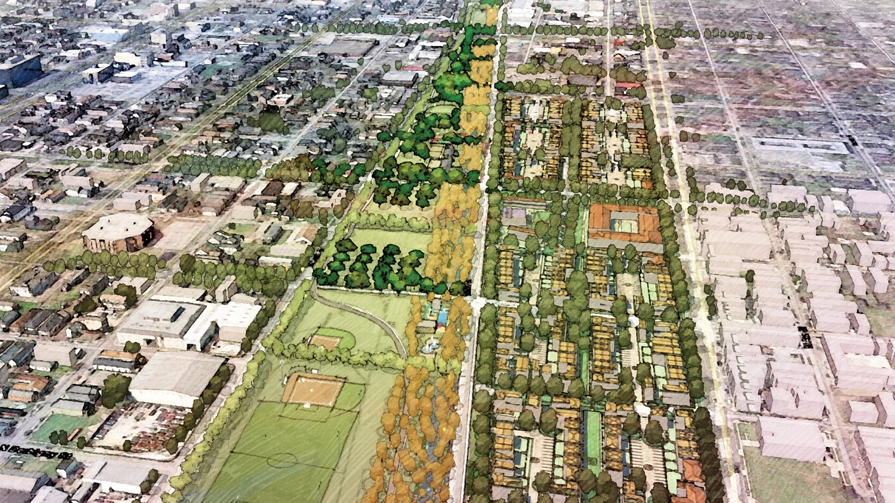
What is public practice landscape architecture? The not-for-profit enterprise whose mission is to design, implement, and manage functional, liveable, safe, and attractive places for the public, often developed with a larger social objective in mind—community gathering, preservation/acknowledgement of history/place, environmental resilience, and economic vitality.
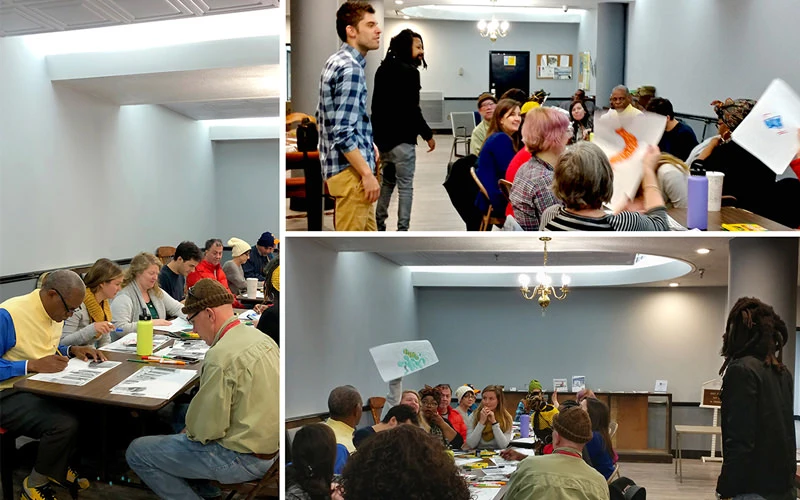
Public Communications
Initiatives, Presentations, Media Relations, Progress Reporting, Public Education

Contract Administration
Procurement Proposals, Bid Documents, Advertising, Negotiations, Grants/Funding, Scope-of-work Refinement, Budgets, Billing
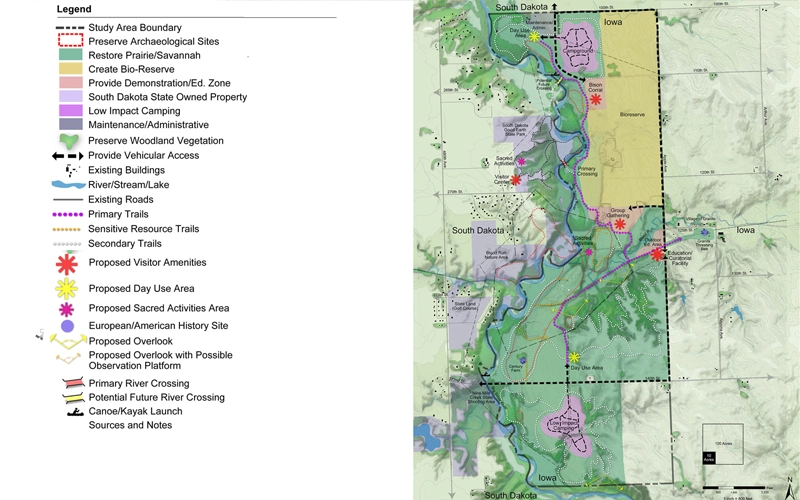
Data Collection & Analysis
GIS - Mapping, Surveys, Record Reviews, Site Condition Assessment (Grading and Drainage, Erosion, Circulation, Climatic Conditions)

Design
Drive design vision, advocate for landscape architecture components, create design standards, direct design processes

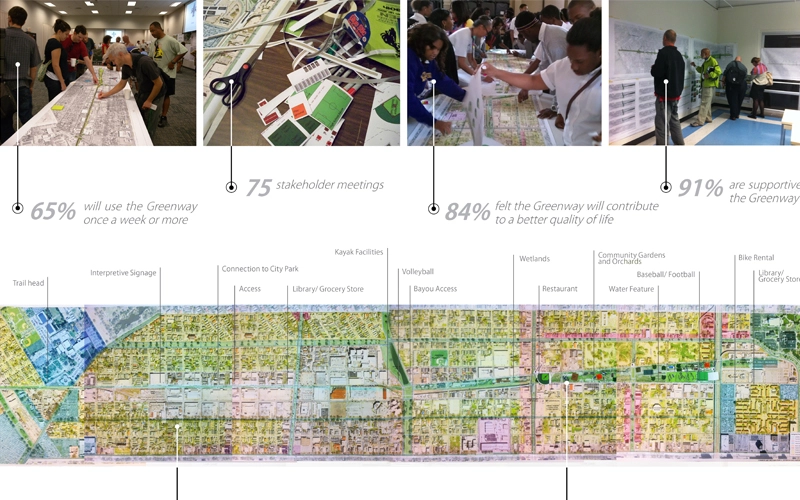
Engagement
Political Bodies, Stakeholders, Owners, Community Interest Groups, Programming, Inter-Organizational Relations
Project Management
Synthesize project components, Resolve project-wide issues, Quality Assurance, Construction document review, Budget and project expenditure monitoring, Process and permit administration

Public Asset Management
Inspections, Maintenance, Stewardship, Health & Safety, Inventories, Acquisitions & Agreements

Representation
Coordination, Collaboration, Team Leadership, Subject Matter Expertise, Agency Liaison, Task Force Member, Public Guardian
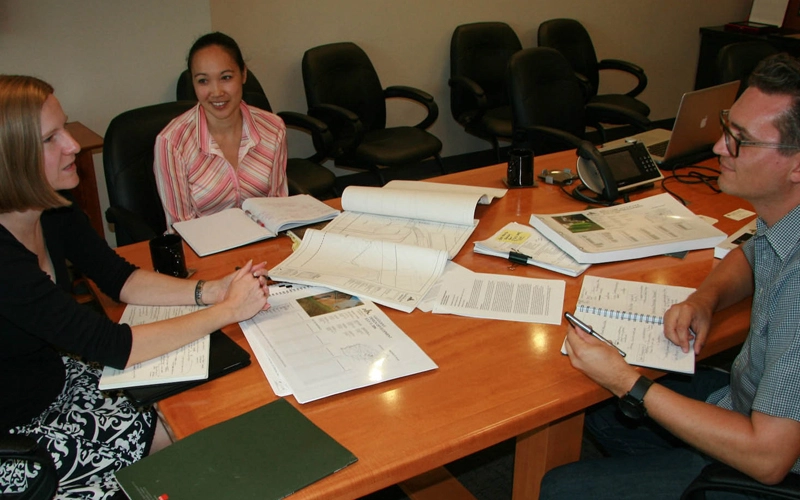
Research & Documentation
Precedent/Benchmark/Case Studies, Historical Record Review, Preservation Studies, Informational Resources