

.webp?language=en-US)

Public Practice Research & Documentation
Precedent/Benchmark/Case Studies, Historical Record Review, Preservation Studies, Informational Resources
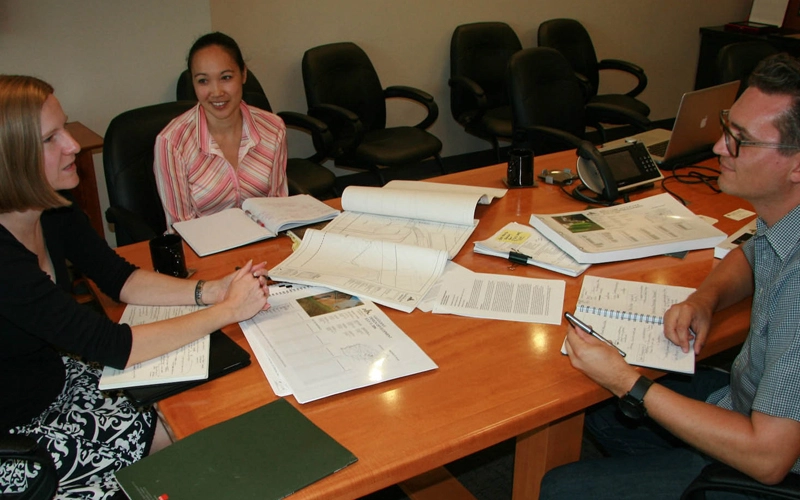
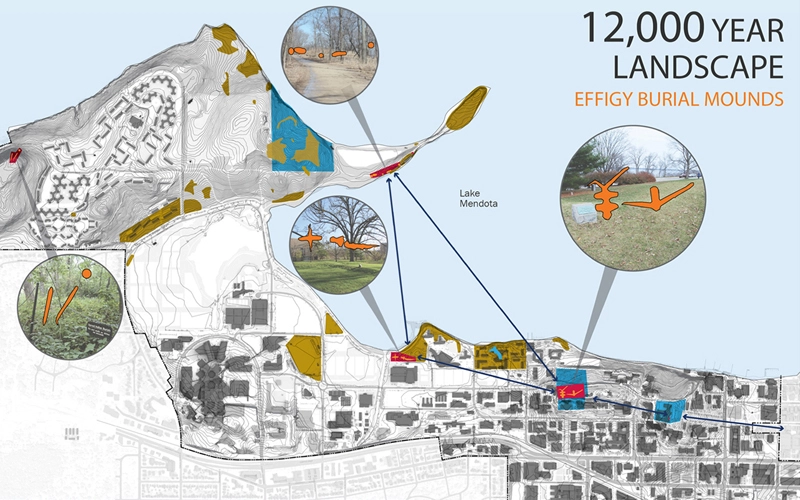
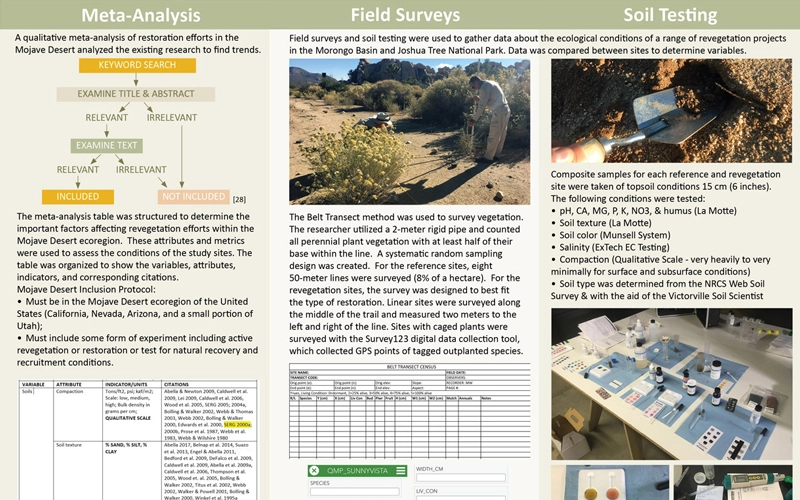
Public practice landscape architects are obligated to ensure improvement project locations have been evaluated for historical, socio-cultural, and environmental significance. Research is performed by accessing informational sources including government archives for previous proposals, plans, contracts, case studies, community survey results and environmental reports. Research and project documentation created by public practice landscape architects is important for the following reasons:
- Data collected from research documents impacts decisions regarding site selection, project scoping and design development.
- Data can be used to defend or otherwise affect the project outcome.
- New project documentation provides an on-going historical context that assists practitioners, managers, and the public to understand prior decision-making and future expectations.
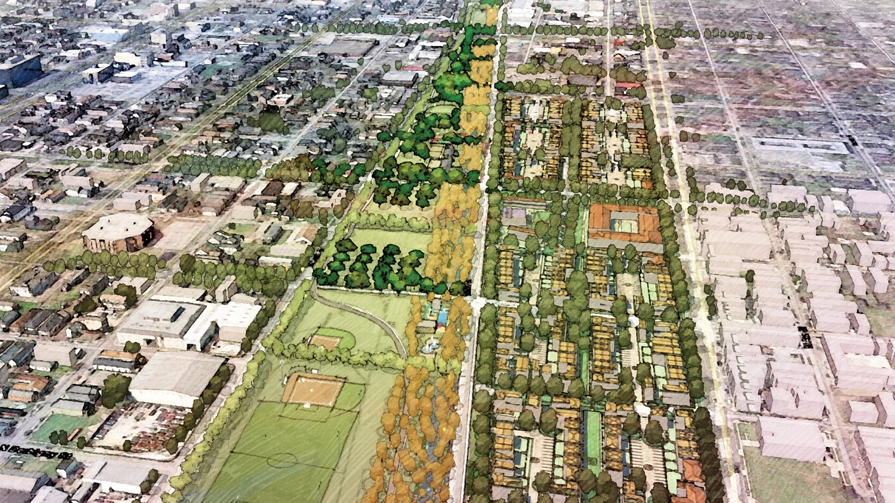
The public landscape architect is tied to the project long after the ribbon is cut by the politicians. This relationship with the site enables the public practice landscape architect to observe how the public space is functioning and to monitor that the infrastructure is of sound build. Noted successes and failures allow the public sector landscape architect to develop extensive expertise which will, in turn, influence the design of future public projects.
Kris Sorich, ASLA Senior Landscape Architect, Chicago Department of Transportation
Keep Exploring Public Practice Landscape Architecture
Guide to Public Practice Landscape Architecture
What is public practice landscape architecture? The not-for-profit enterprise whose mission is to design, implement, and manage functional, liveable, safe, and attractive places for the public, often developed with a larger social objective in mind—community gathering, preservation/acknowledgement of history/place, environmental resilience, and economic vitality.
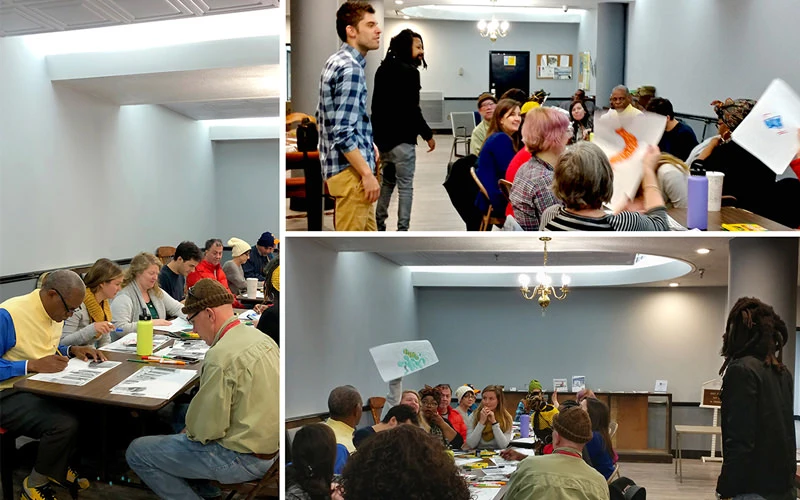
Public Communications
Initiatives, Presentations, Media Relations, Progress Reporting, Public Education
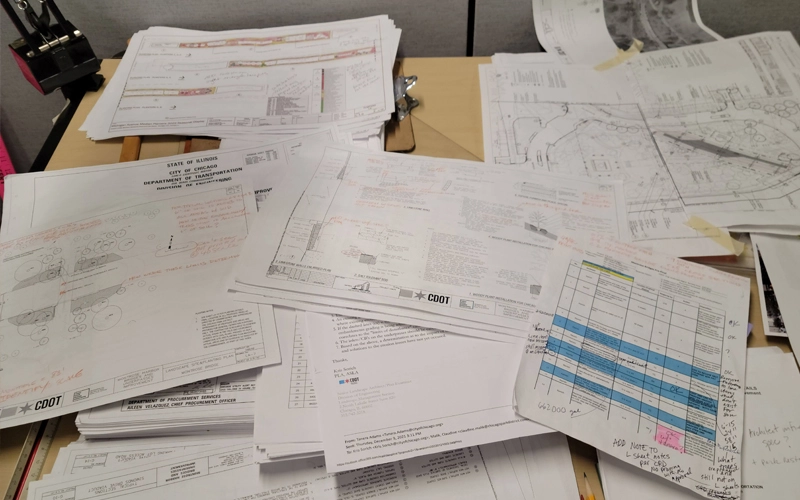
Contract Administration
Procurement Proposals, Bid Documents, Advertising, Negotiations, Grants/Funding, Scope-of-work Refinement, Budgets, Billing
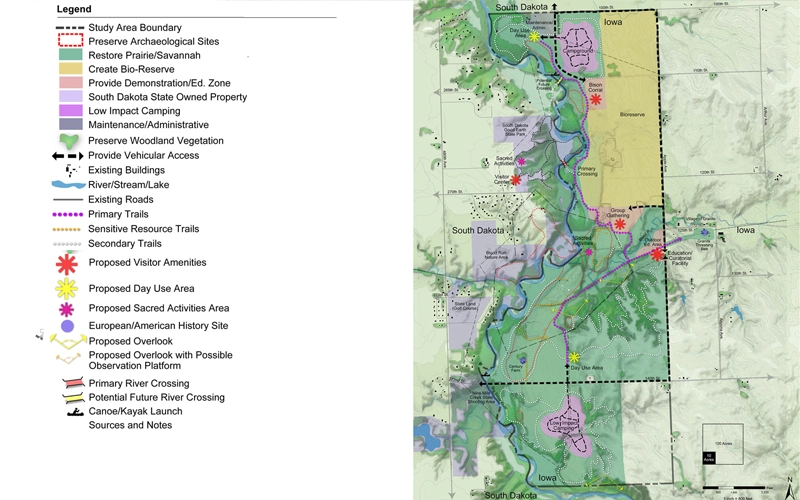
Data Collection & Analysis
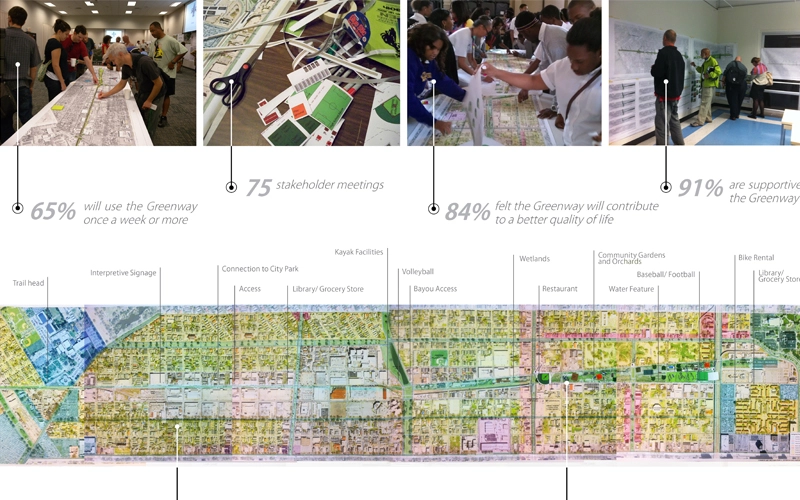
GIS - Mapping, Surveys, Record Reviews, Site Condition Assessment (Grading and Drainage, Erosion, Circulation, Climatic Conditions)
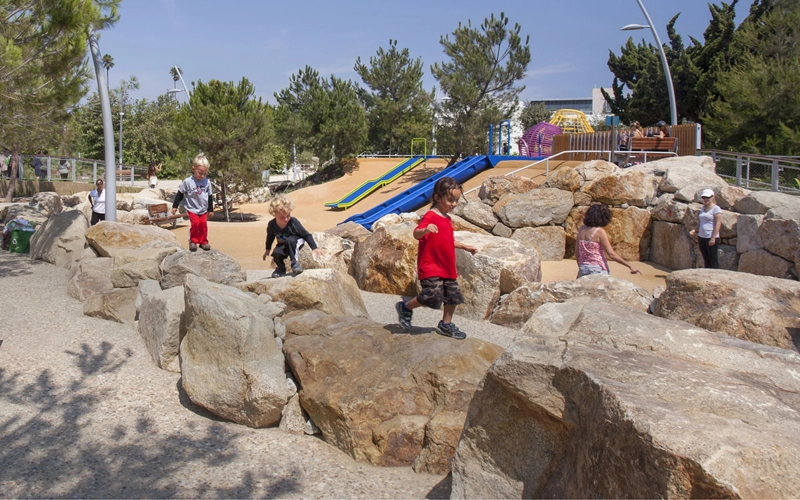
Design
Drive design vision, advocate for landscape architecture components, create design standards, direct design processes
Engagement
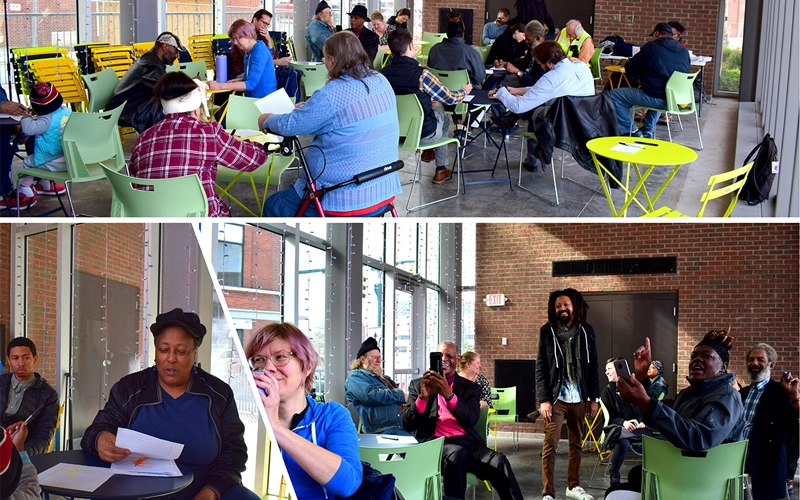
Political Bodies, Stakeholders, Owners, Community Interest Groups, Programming, Inter-Organizational Relations
Project Management
Synthesize project components, Resolve project-wide issues, Quality Assurance, Construction document review, Budget and project expenditure monitoring, Process and permit administration
Public Asset Management
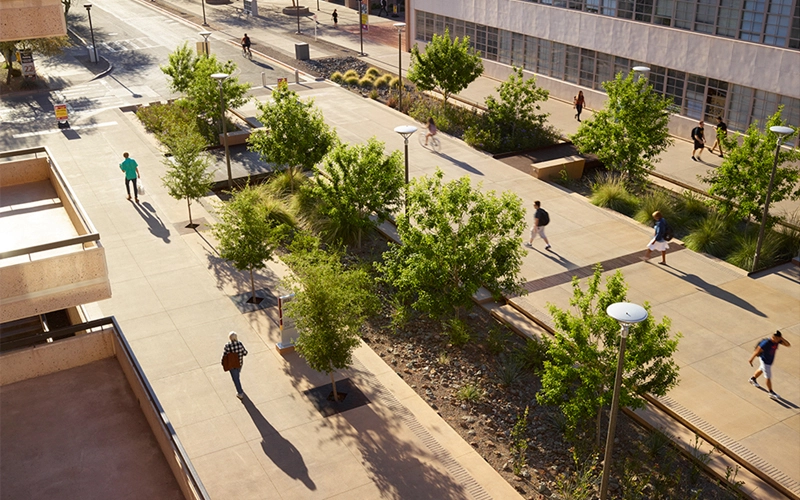
Inspections, Maintenance, Stewardship, Health & Safety, Inventories, Acquisitions & Agreements
Regulation & Compliance
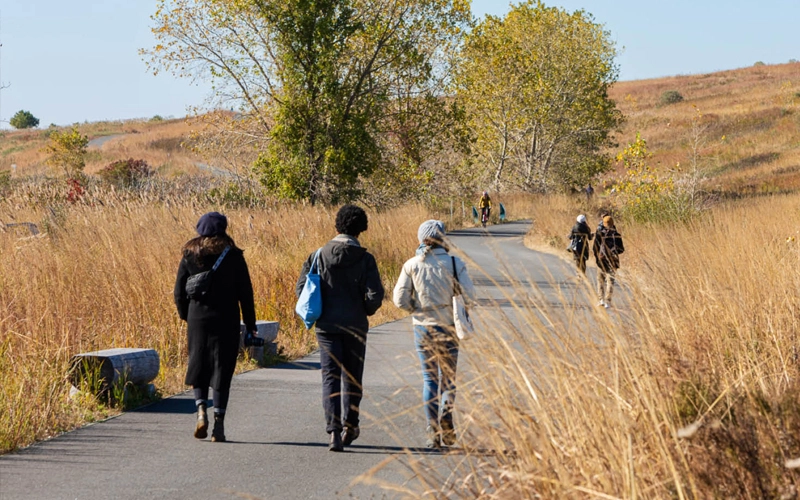
Public Policy Development, Ordinances, Development Standards & Guidelines, Zoning Review, Permitting, Specifications
Representation
Coordination, Collaboration, Team Leadership, Subject Matter Expertise, Agency Liaison, Task Force Member, Public Guardian