

.webp?language=en-US)

Public Practice Communications
Initiatives, Presentations, Media Relations, Progress Reporting, Public Education
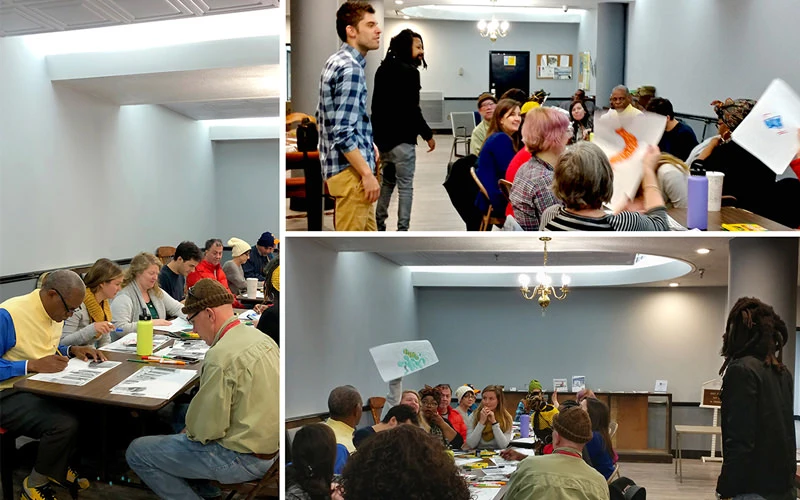
Public communications include written, verbal, graphic or media content that conveys program initiatives, processes, progress reporting and educational features for the benefit of the public, the media, departments and agencies, political bodies and professional groups. Examples of communications created by public practice landscape architects include:
- Briefs, summarizing statements and schedules for department heads, media, design consultants and coordinating agencies
- Project presentations depicting timelines, design and construction progress, analysis through words, graphics, pictorials and renderings
- Notes, details and specification formulated as standards for department use and distribution
- Recorded video and oratory content for interviews, engagement processes, public service announcements and departmental websites
- Depositions on public safety for legal departments
Public practice landscape architects value communication in their role. Communication is imperative with conveying project details and processes. Communication methods vary based on the audience and information being presented and consist of the following:
- Dissemination of information through the facilitation of meetings, phone calls, or a virtual setting (email, online submission, online meeting). Building stronger relationships through various communications provides for improved support for projects.
- Communicating with elected officials, other departments, consultants, agencies, and the public. These presentments provide stakeholders with a front row seat of what the project will entail.
- Conducting media relations when media outlets reach out to inquire about projects or to provide public service announcements.
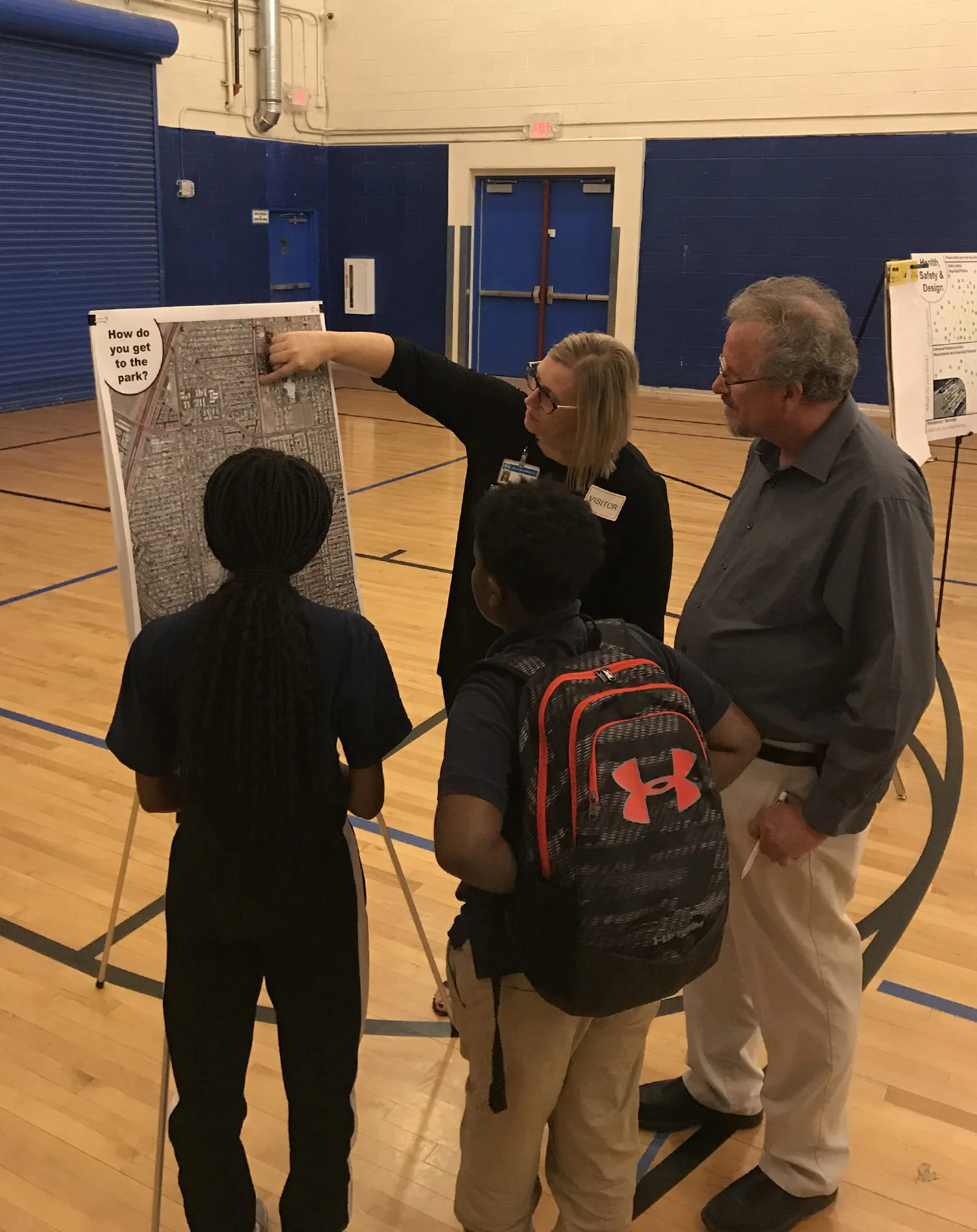
- Providing progress reports regarding project planning and implementation is a way to help ensure supervisors, agency leadership, and the public that project issues are being adequately addressed. Progress of projects are reported to advisory boards for input and approval. Providing status updates on projects further promotes public trust and support.
- Attending speaking engagements focused on topics such as heat island effect, carbon sequestration, stormwater management, and water conservation that relate to the public landscape architecture roles.
- Tabling at a community event where the public are able to come and ask questions,
- Delivering public education presentations for schools, committees, membership clubs, societies and public interest groups
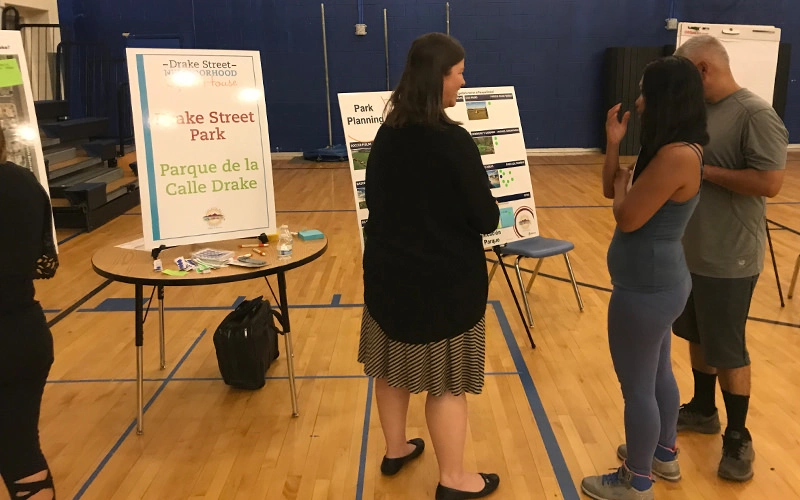
There was a public education component to every project. We never worked in a community unless the residents and leadership invited us. Many times, we did the initial community engagement, capacity building, and master planning that would then be followed by a detailed site design led by a design firm. We built support for projects, which made it easier for design firms to get projects funded and built.
Haley Blakeman, FASLA, PLA Suzanne L. Turner Professor at the Robert Reich School of Landscape Architecture at Louisiana State University
Keep Exploring Public Practice Landscape Architecture
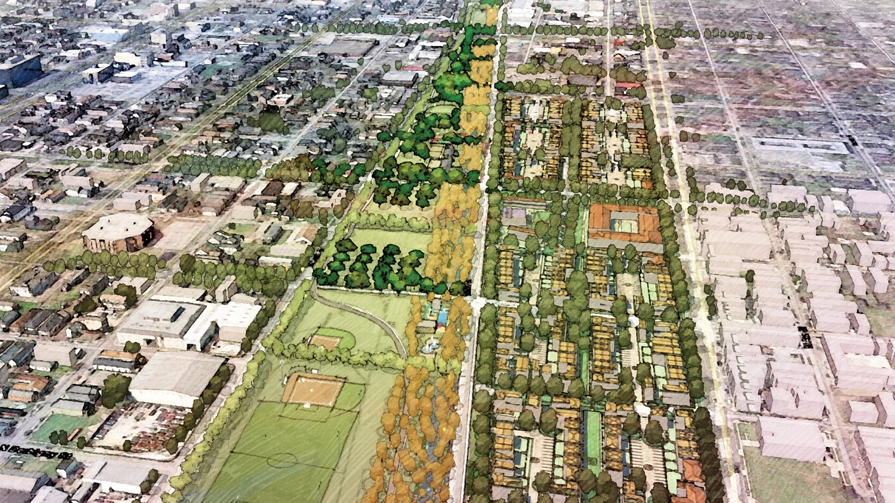
Guide to Public Practice Landscape Architecture
What is public practice landscape architecture? The not-for-profit enterprise whose mission is to design, implement, and manage functional, liveable, safe, and attractive places for the public, often developed with a larger social objective in mind—community gathering, preservation/acknowledgement of history/place, environmental resilience, and economic vitality.
Contract Administration
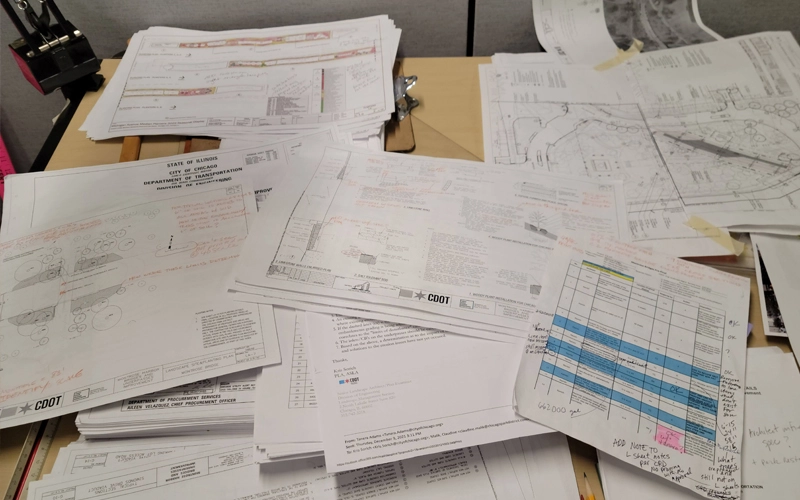
Procurement Proposals, Bid Documents, Advertising, Negotiations, Grants/Funding, Scope-of-work Refinement, Budgets, Billing
Data Collection & Analysis
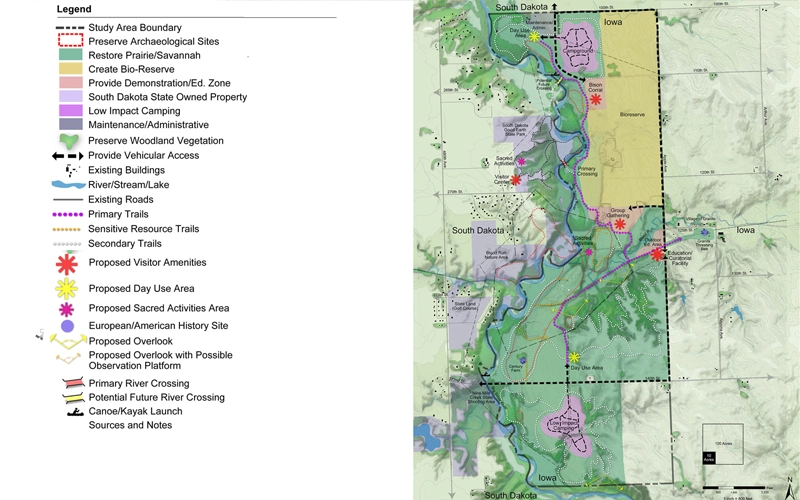
GIS - Mapping, Surveys, Record Reviews, Site Condition Assessment (Grading and Drainage, Erosion, Circulation, Climatic Conditions)
Design
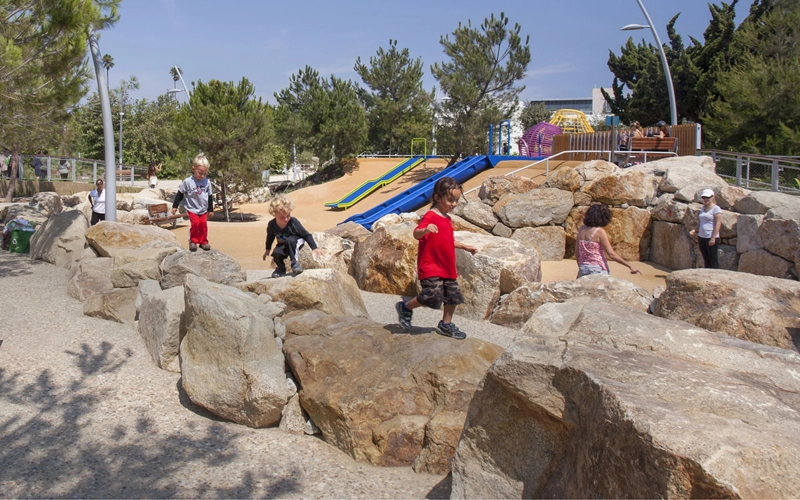
Drive design vision, advocate for landscape architecture components, create design standards, direct design processes
Engagement
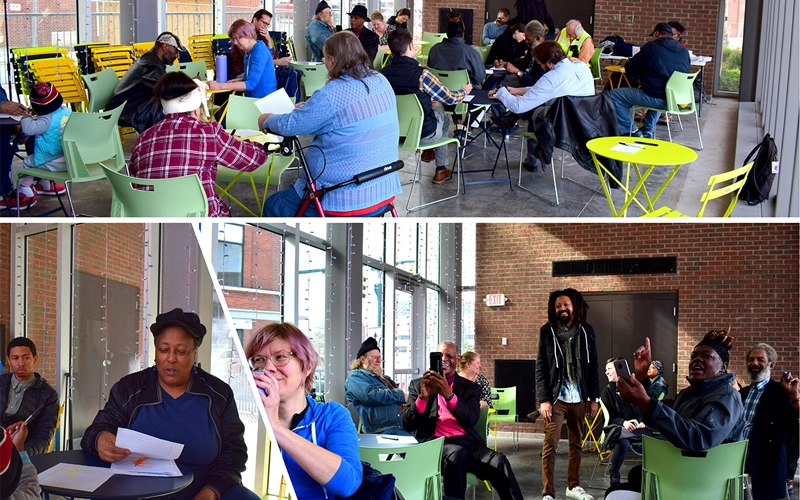
Political Bodies, Stakeholders, Owners, Community Interest Groups, Programming, Inter-Organizational Relations
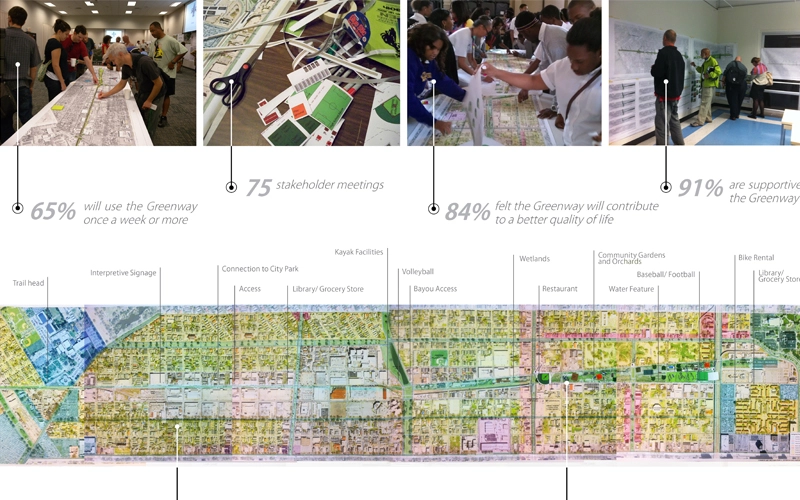
Project Management
Synthesize project components, Resolve project-wide issues, Quality Assurance, Construction document review, Budget and project expenditure monitoring, Process and permit administration
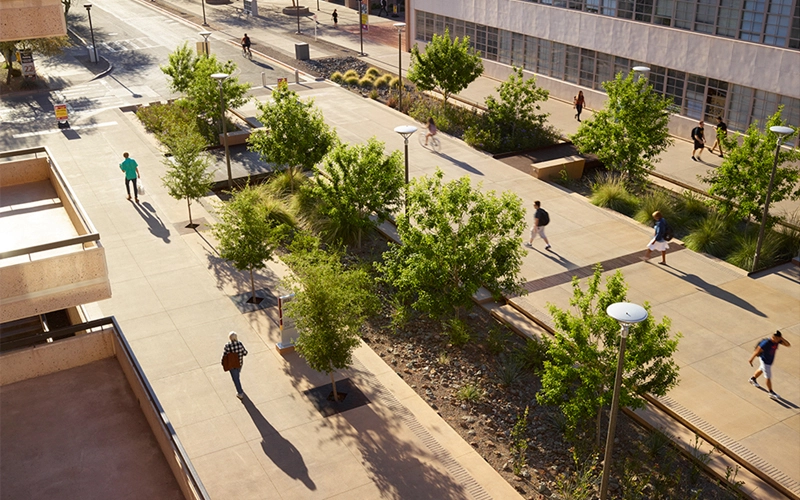
Public Asset Management
Inspections, Maintenance, Stewardship, Health & Safety, Inventories, Acquisitions & Agreements
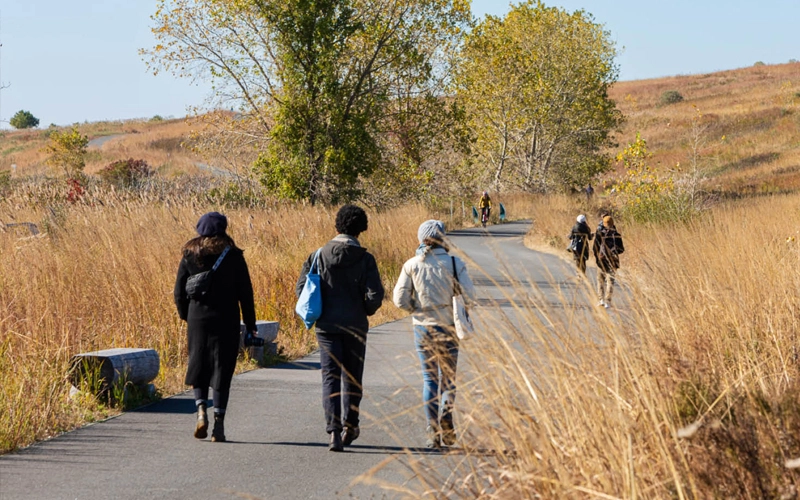
Regulation & Compliance
Public Policy Development, Ordinances, Development Standards & Guidelines, Zoning Review, Permitting, Specifications
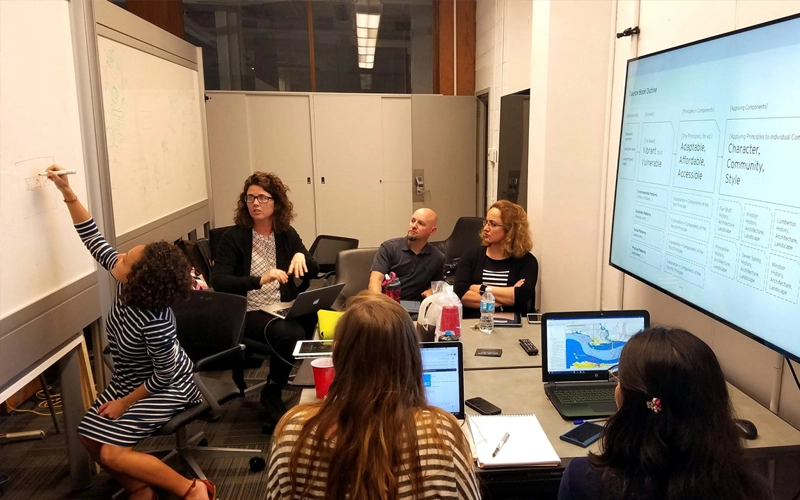
Representation
Coordination, Collaboration, Team Leadership, Subject Matter Expertise, Agency Liaison, Task Force Member, Public Guardian
Research & Documentation
Precedent/Benchmark/Case Studies, Historical Record Review, Preservation Studies, Informational Resources