

.webp?language=en-US)

Public Asset Management
Inspections, Maintenance, Stewardship, Health & Safety, Inventories, Acquisitions & Agreements
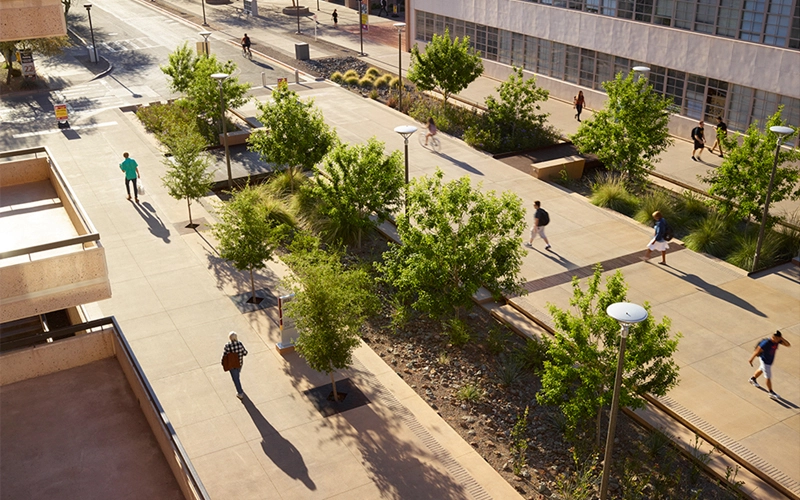
Public asset management involves the planning, management, use, and disposal of public assets owned by governmental organizations. Several principles of public asset management include:
- Asset management decisions are integrated with the organization’s strategic planning process
- Asset planning decisions are based on an evaluation of alternatives that consider ‘life cycle’ costs, benefits, and risks of ownership
- Asset condition, use and performance are carefully tracked to establish a long-term perspective and accountability structure
- Asset disposal and acquisition decisions are based on a thorough analysis that will achieve the best available net return in an environment of social equity
Public practice landscape architects play an integral role in public asset management through their efforts to:
- Establish standards that are consistent with a level of service, reliability, and/or maximize use by the public
- Plan and design public assets that achieve multiple goals and objectives for health, safety and welfare, environmental resilience, and fiscal responsibility
- Use demand management techniques to maintain assets with a greater level of sustainability, to save money, and to reduce the demand for new assets.
- Establish maintenance requirements to ensure assets achieve useful functional life at optimum service delivery standards and minimize operating expenditures
- Achieve greater investment value through evaluating options for the cost of acquiring, developing, using, and maintaining assets.
- Examine reasons for under-utilization or poor performance of public assets, and take corrective actions
- Advise on public asset spending
- Evaluate the long-term viability of design elements
Keep Exploring Public Practice Landscape Architecture
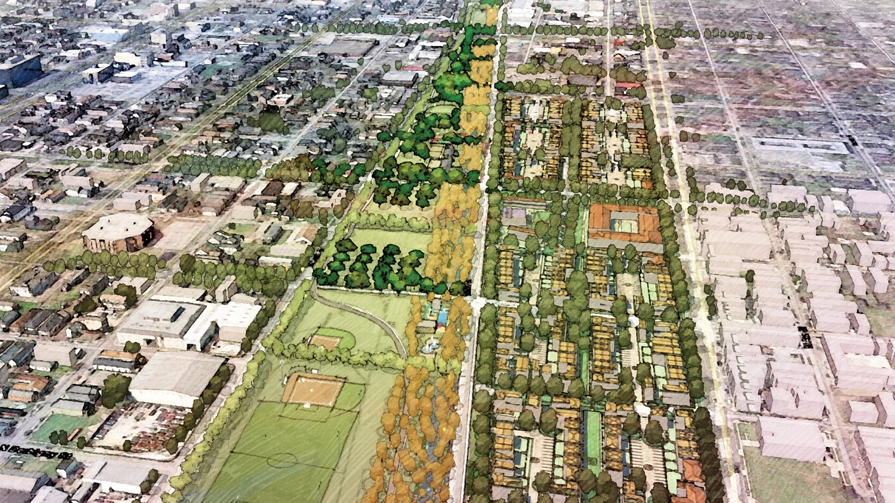
Guide to Public Practice Landscape Architecture
What is public practice landscape architecture? The not-for-profit enterprise whose mission is to design, implement, and manage functional, liveable, safe, and attractive places for the public, often developed with a larger social objective in mind—community gathering, preservation/acknowledgement of history/place, environmental resilience, and economic vitality.
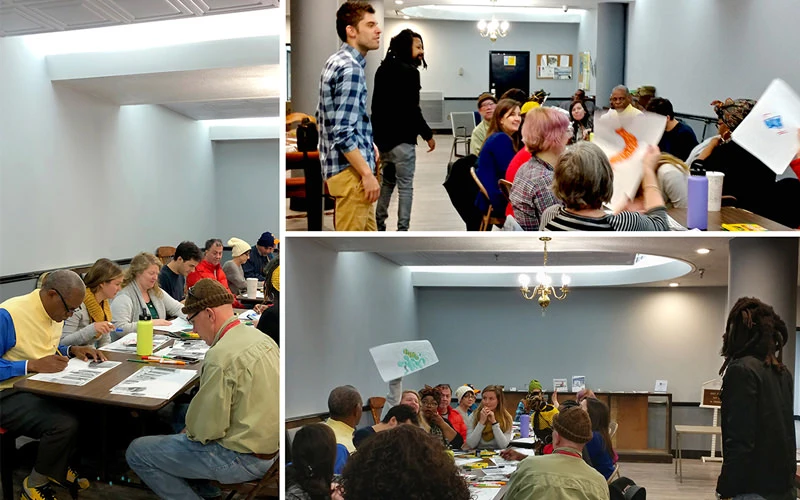
Public Communications
Initiatives, Presentations, Media Relations, Progress Reporting, Public Education
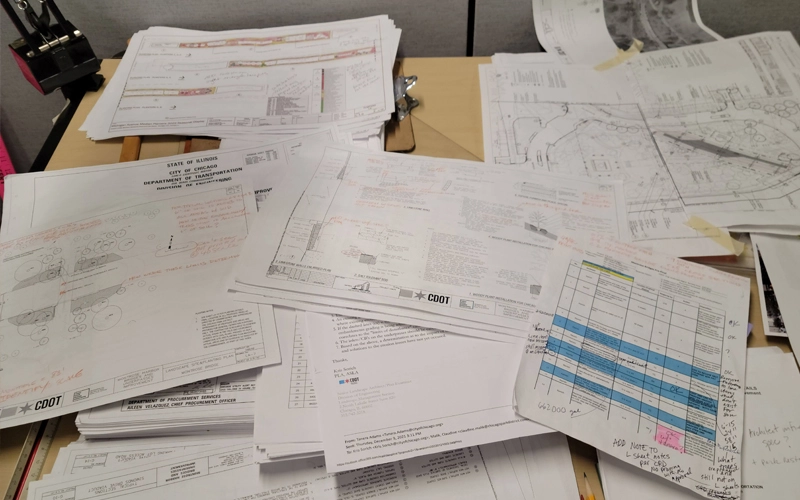
Contract Administration
Procurement Proposals, Bid Documents, Advertising, Negotiations, Grants/Funding, Scope-of-work Refinement, Budgets, Billing
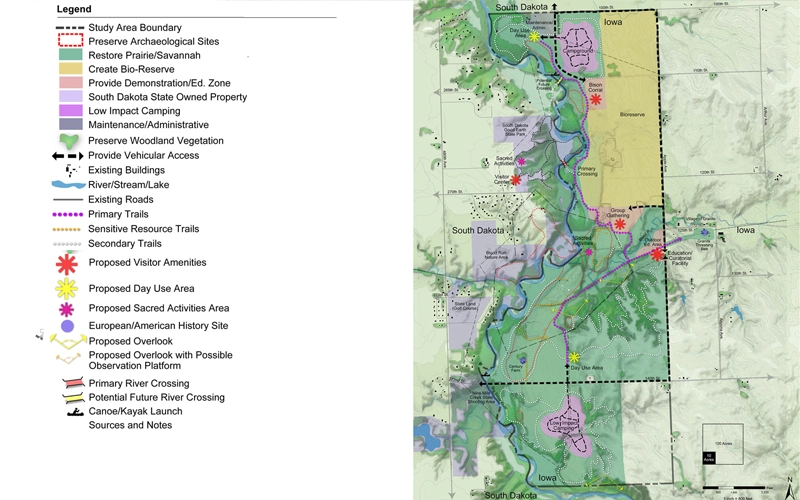
Data Collection & Analysis
GIS - Mapping, Surveys, Record Reviews, Site Condition Assessment (Grading and Drainage, Erosion, Circulation, Climatic Conditions)
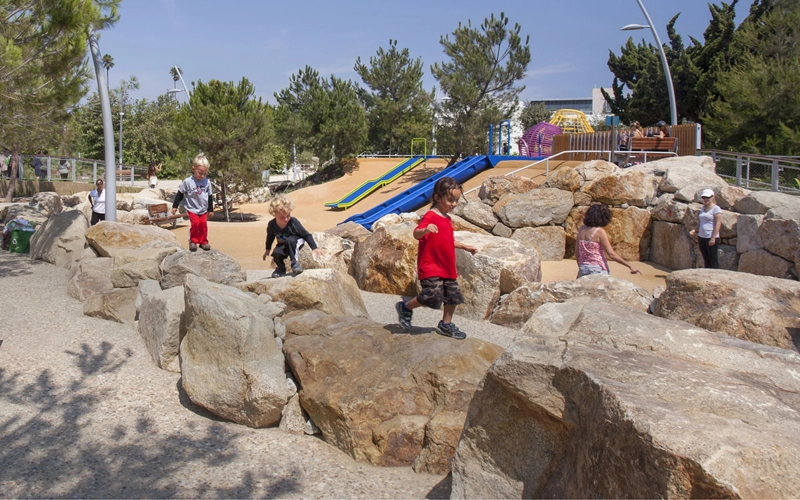
Design
Drive design vision, advocate for landscape architecture components, create design standards, direct design processes
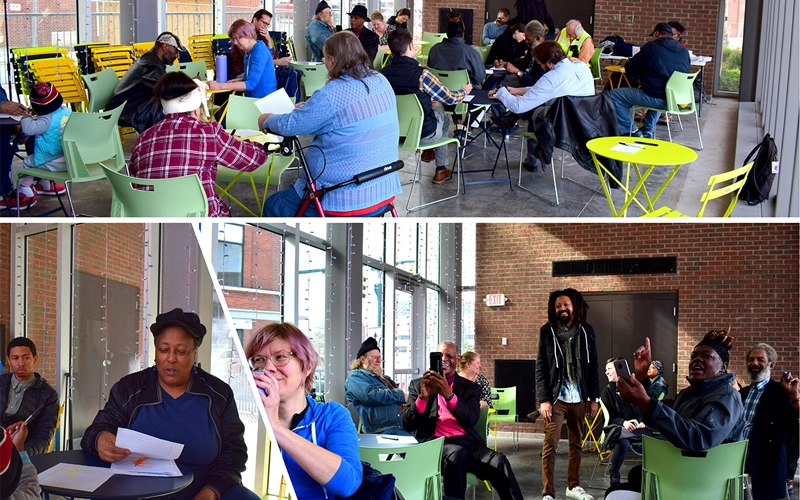
Engagement
Political Bodies, Stakeholders, Owners, Community Interest Groups, Programming, Inter-Organizational Relations
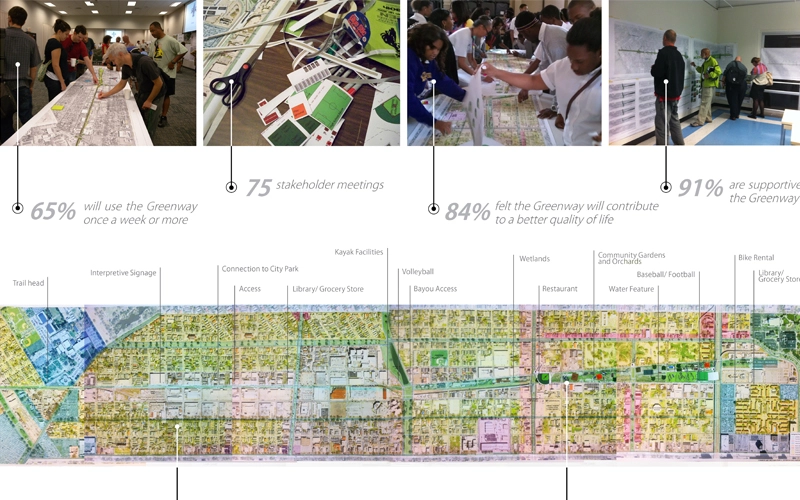
Project Management
Synthesize project components, Resolve project-wide issues, Quality Assurance, Construction document review, Budget and project expenditure monitoring, Process and permit administration
Regulation & Compliance
Public Policy Development, Ordinances, Development Standards & Guidelines, Zoning Review, Permitting, Specifications
Representation
Coordination, Collaboration, Team Leadership, Subject Matter Expertise, Agency Liaison, Task Force Member, Public Guardian
Research & Documentation
Precedent/Benchmark/Case Studies, Historical Record Review, Preservation Studies, Informational Resources