

.webp?language=en-US)

.webp?language=en-US)
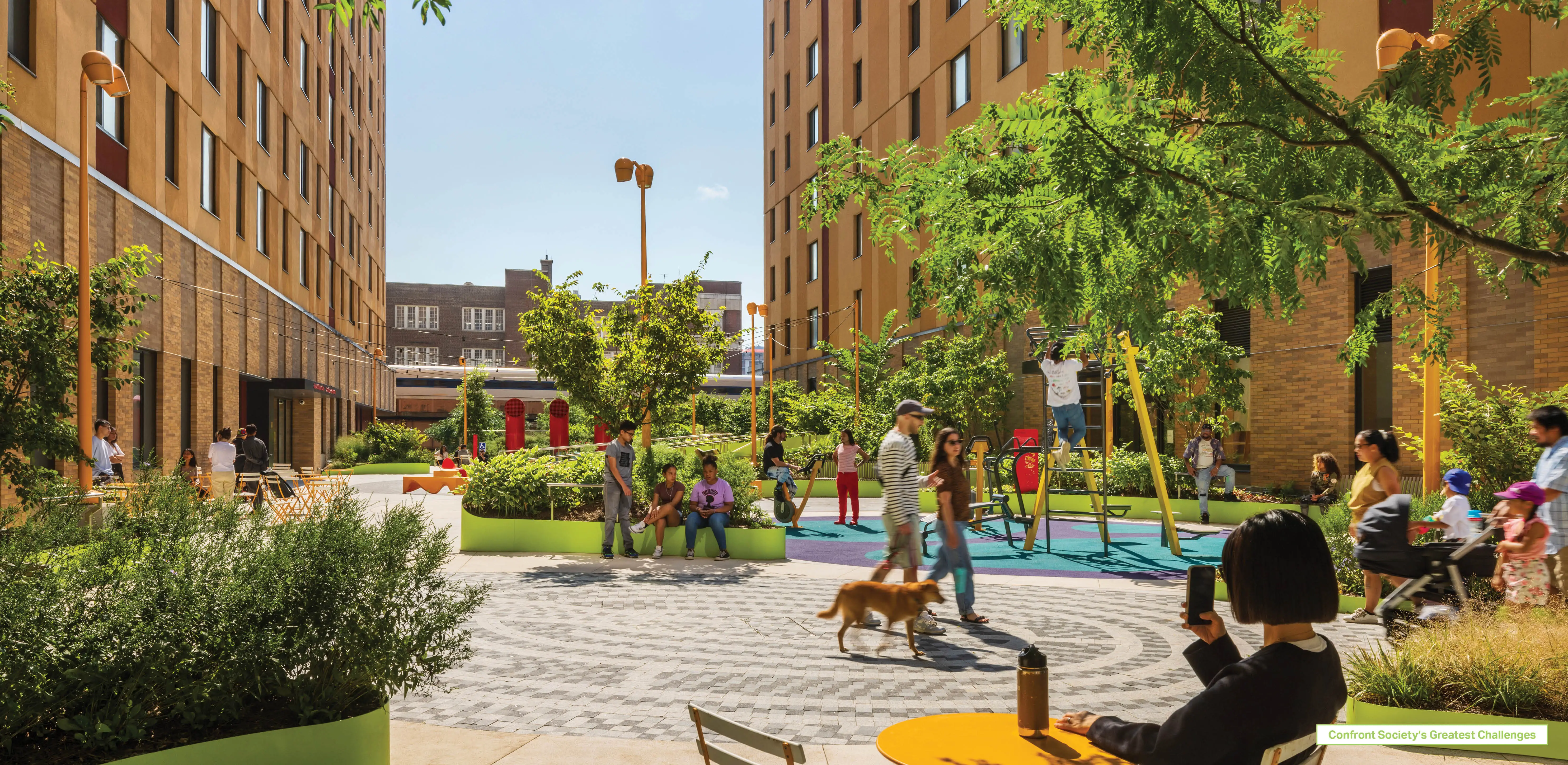
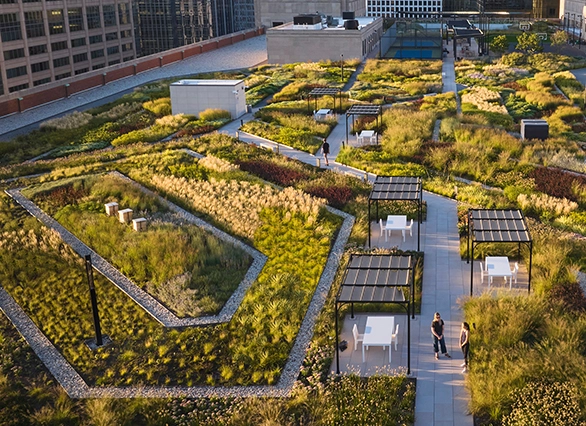
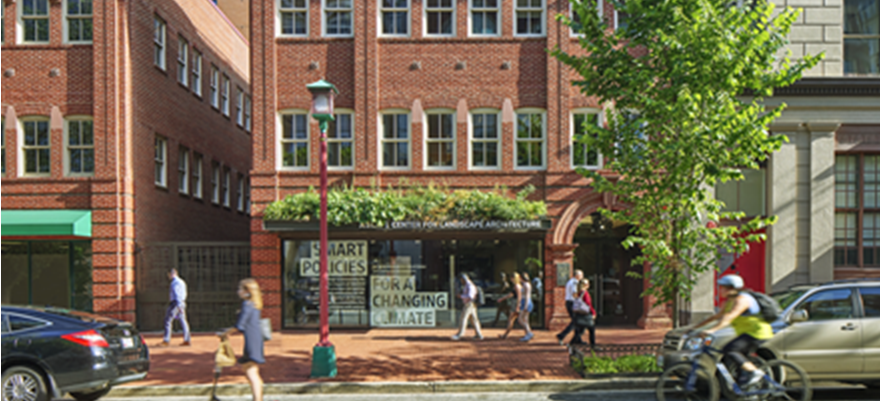
2025 ASLA Professional Award Honor Award, Residential Design. Sendero Verde, AECOM LAUD NYC. The landscape connects users to the environment through a strategy that incorporates native plants resilient to the site’s on-structure conditions.
Your Path to Landscape Architecture
Explore:
Landscape Architecture Shapes the Places We Love
Some people see a vacant lot.
Landscape architects see a future park where neighbors gather, trees cool the air, and rainwater disappears quietly back into the ground.
Landscape architecture is the practice of shaping outdoor places so they work better for people, communities, and the living world around them. It blends design, ecology, science, and human experience into spaces that feel intentional, resilient, and alive.
If you’ve ever paid attention to how a place feels—how a path invites you forward, how shade changes the mood of a space, how water, plants, and people coexist—you may already be thinking like a landscape architect.
From Idea to Place
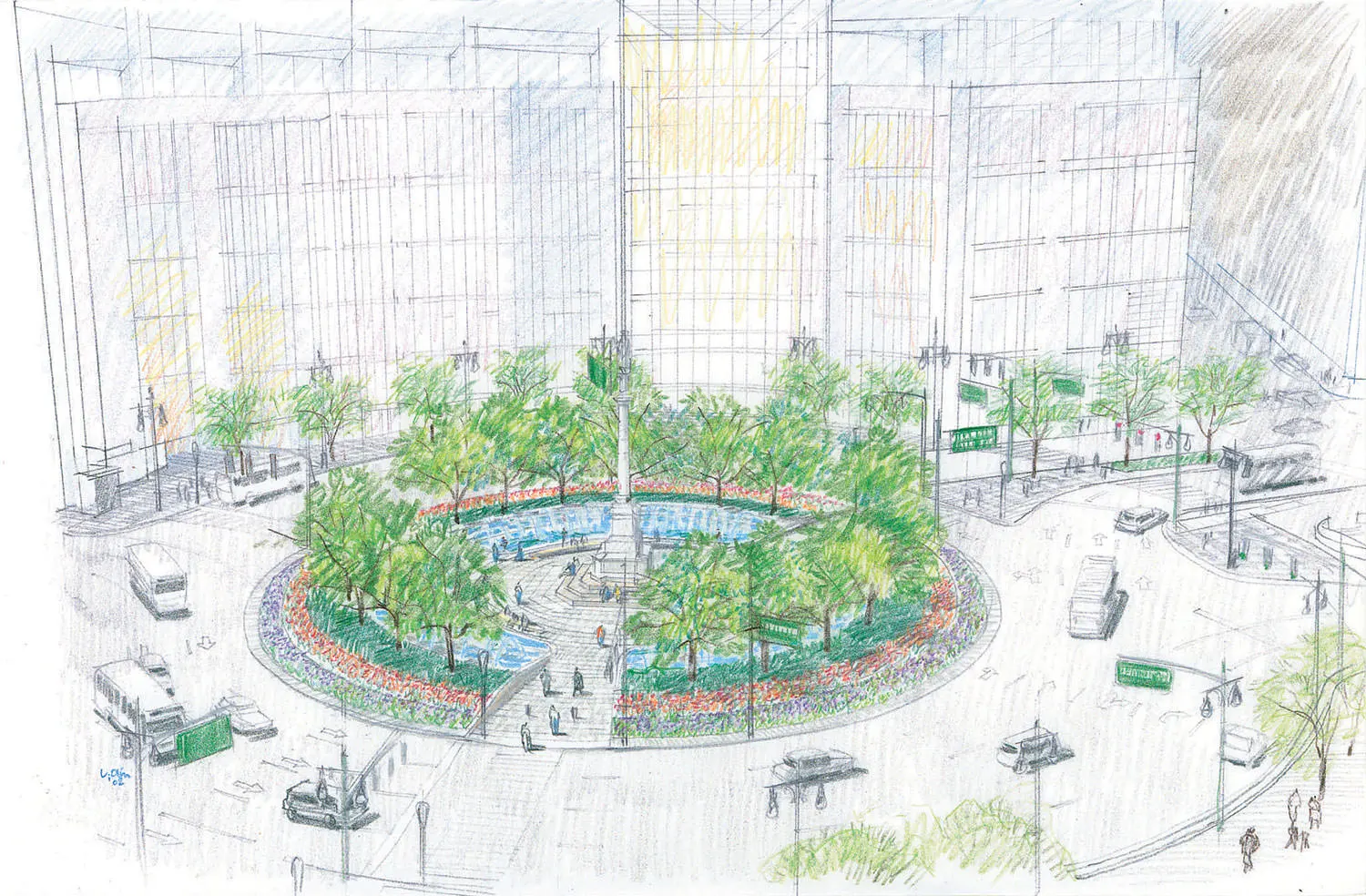
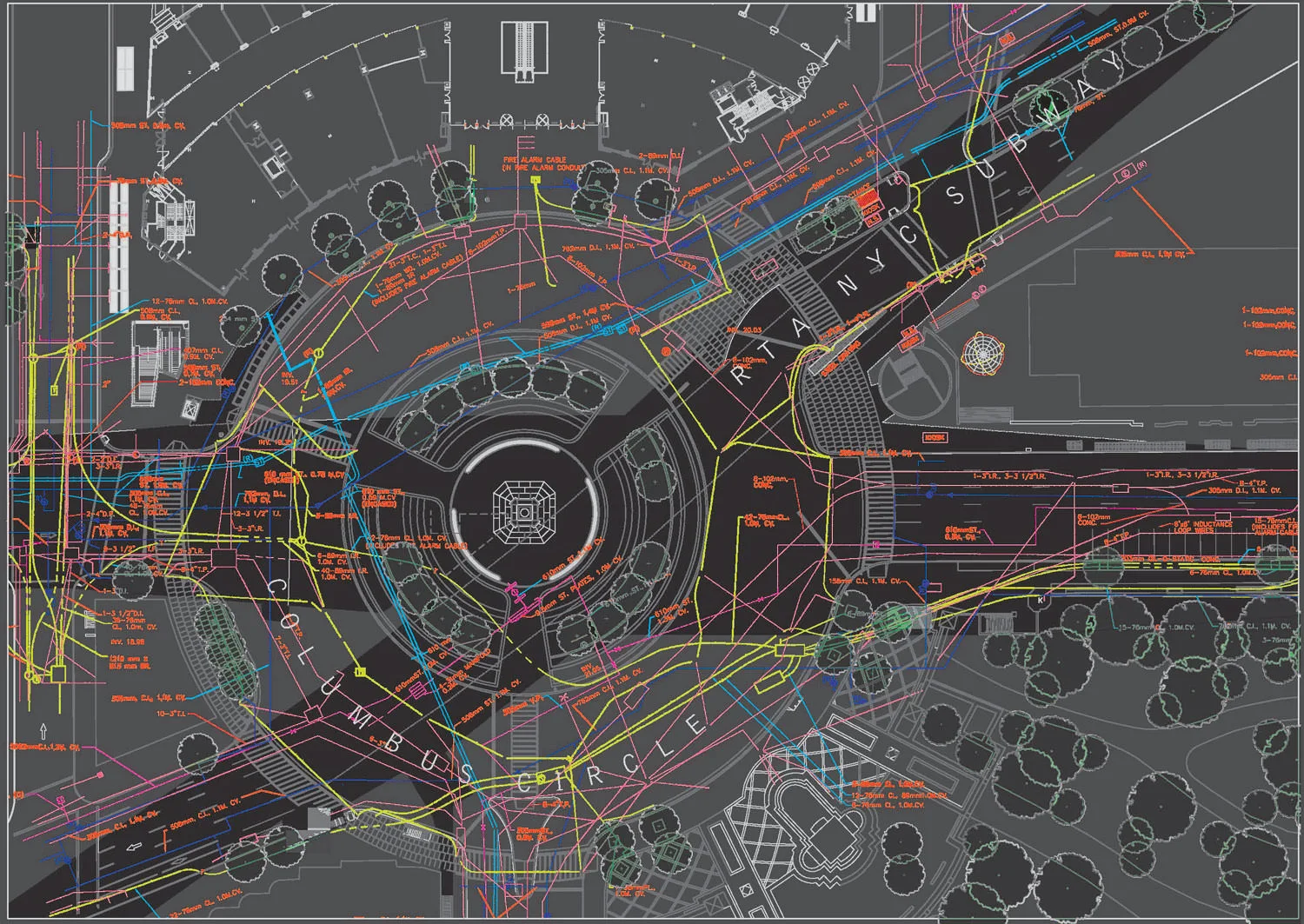
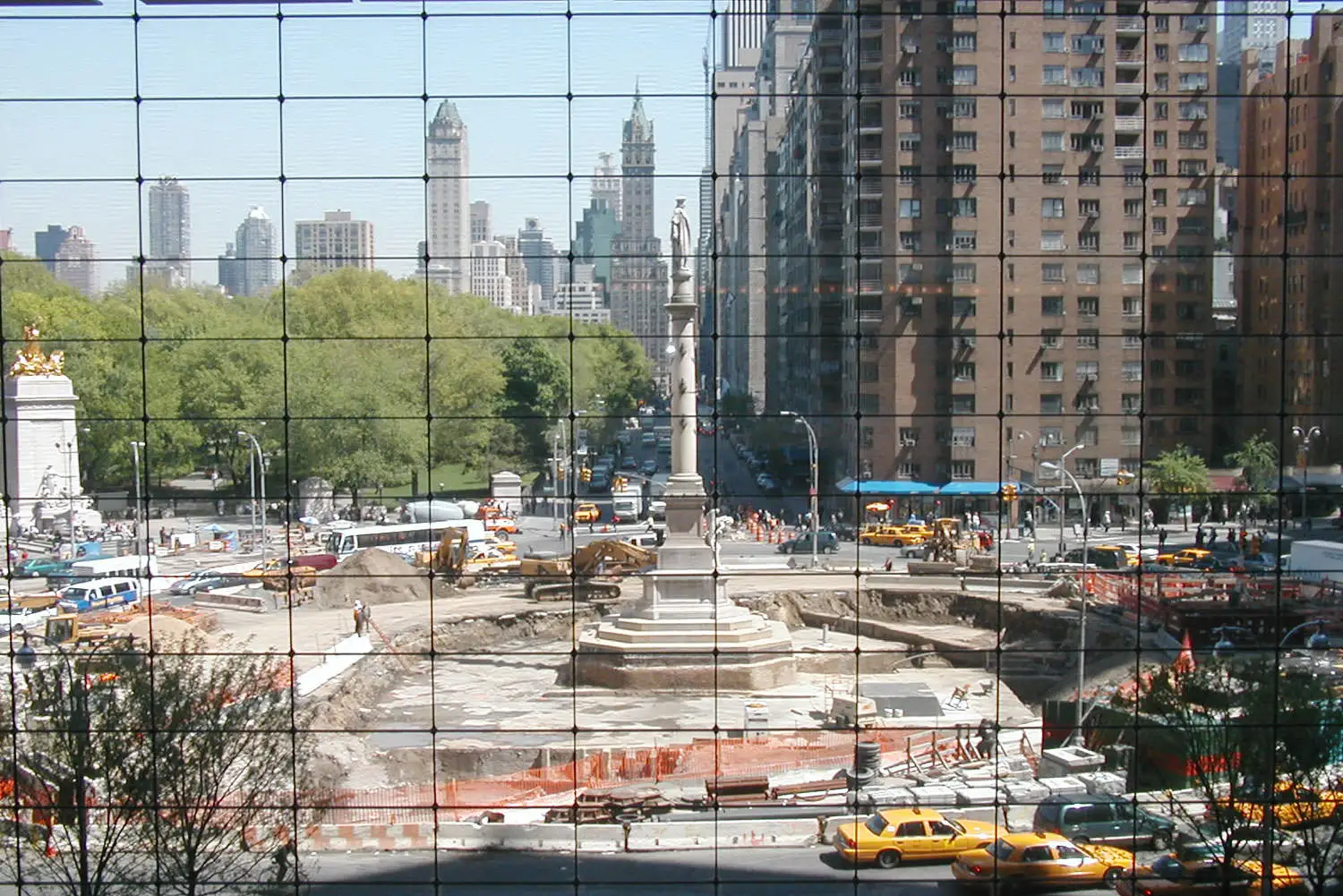
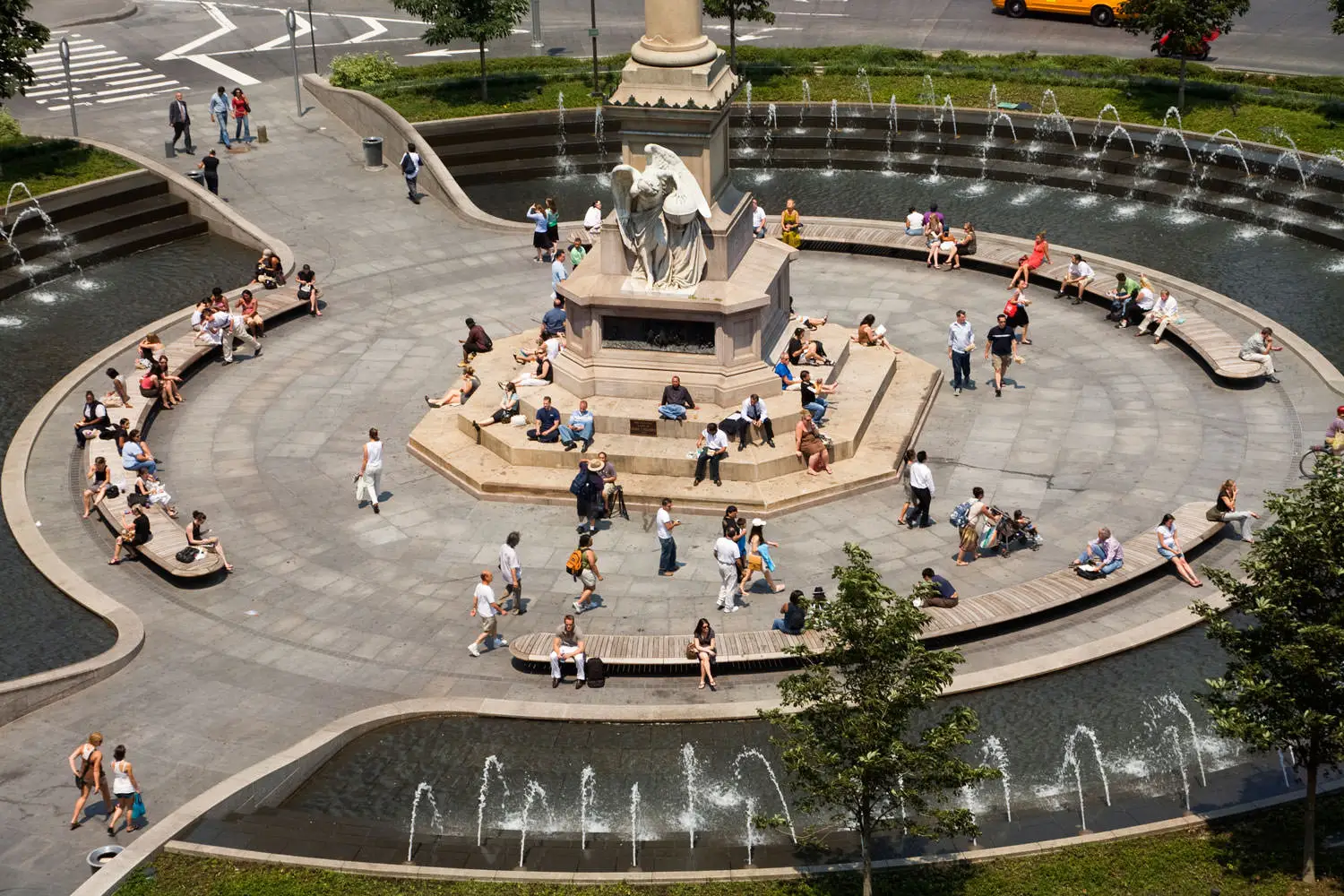
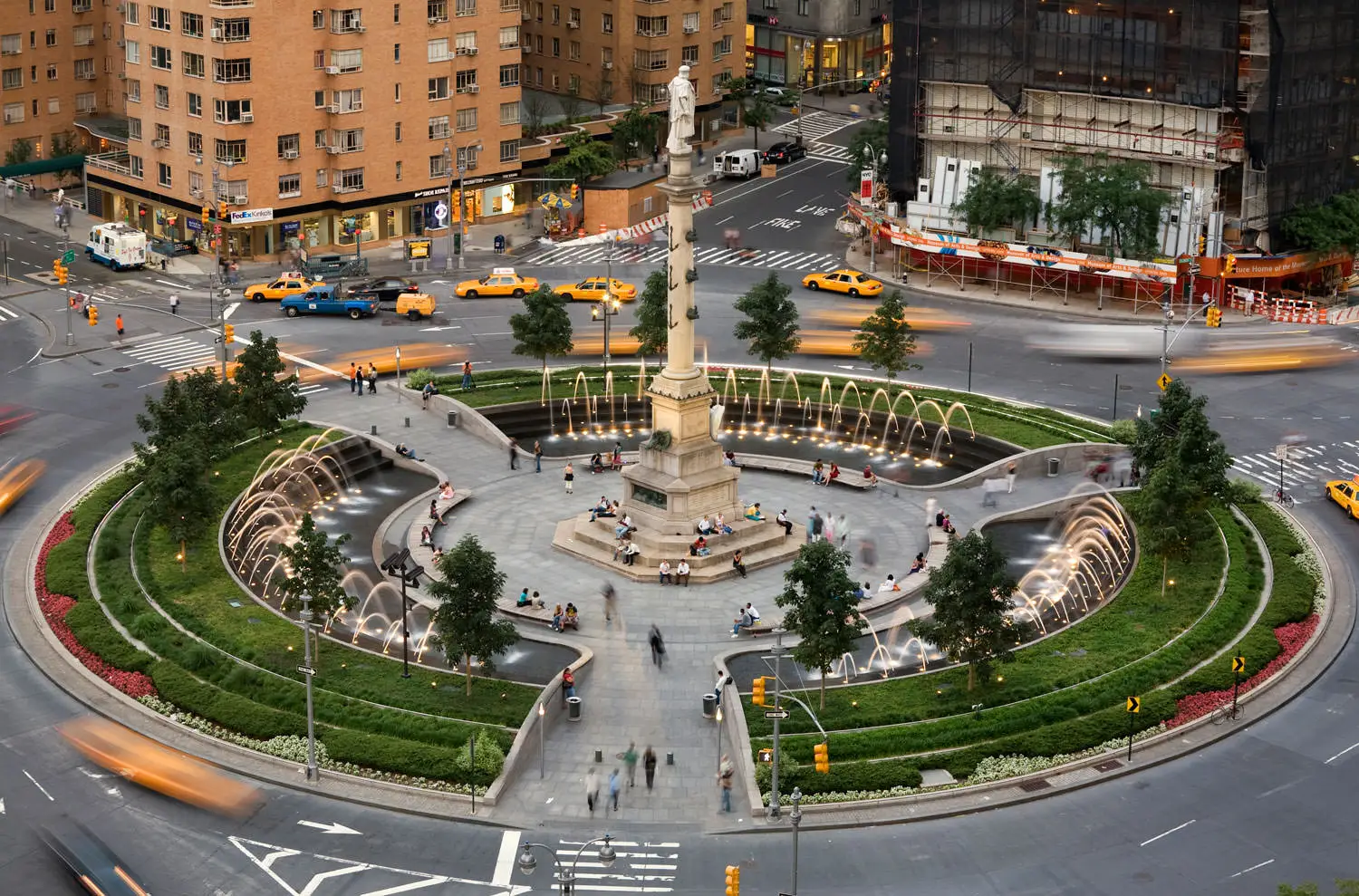
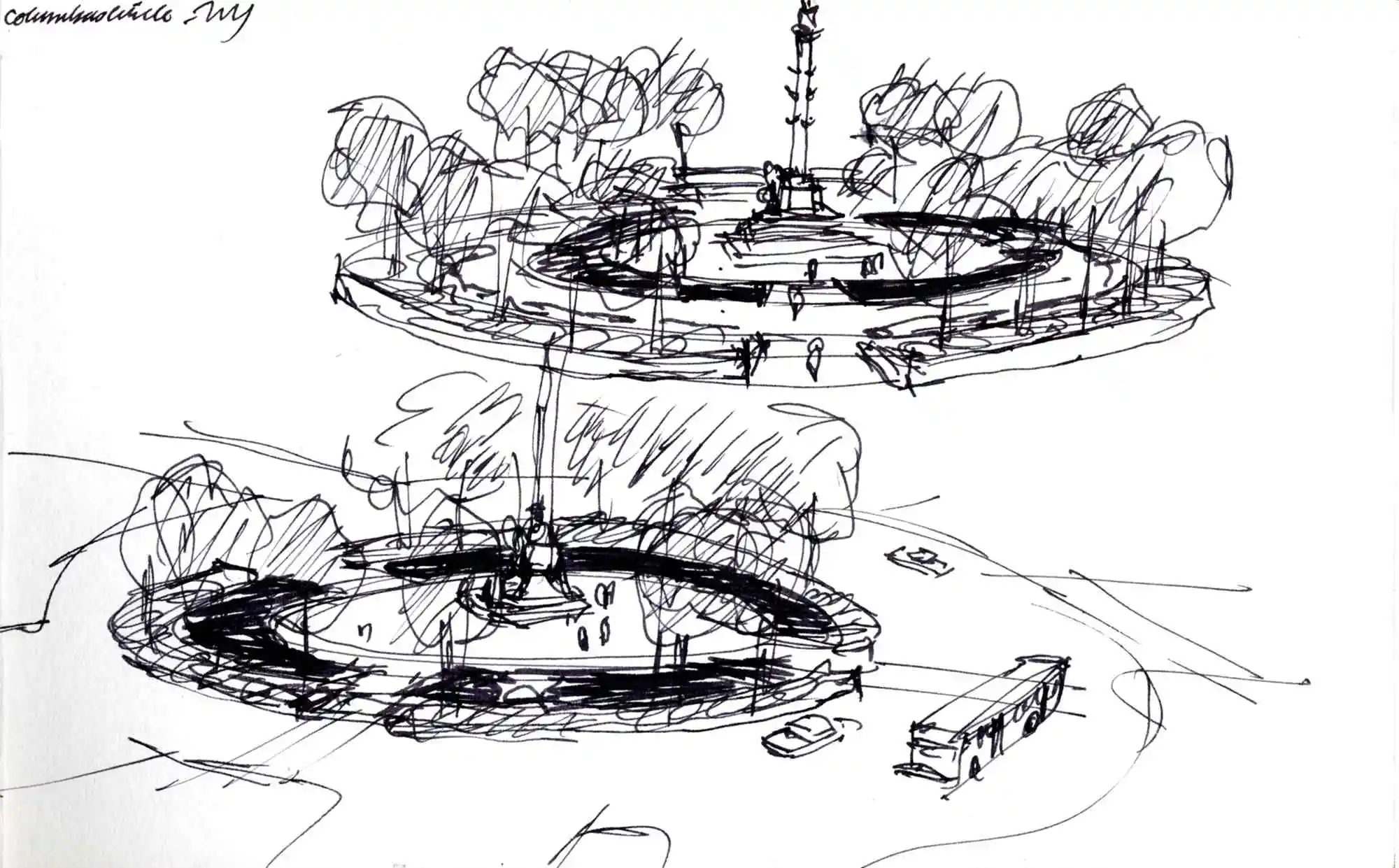
This gallery shows how landscape architects transform a sketch into a living public space—through design, engineering, construction, and care for how people actually use a place.
Where Nature, Culture, and Daily Life Meet
Landscape architects design the spaces between buildings—the places where life actually happens.
They work on parks, streets, campuses, neighborhoods, waterfronts, and restored natural landscapes. Their projects respond to climate, history, ecology, and human use—often all at once.
The profession has deep roots in the United States, shaped by figures like Frederick Law Olmsted, whose vision for public parks helped define a more democratic and humane urban landscape. That legacy still matters—but today’s work is forward-looking, pragmatic, and urgently relevant.
A Profession with Purpose
People are drawn to landscape architecture for many reasons, but common themes emerge:
- A desire to work at the scale of real places
- An interest in design grounded in science and ecology
- A belief that public spaces shape daily life
- A need to make creative work that also carries responsibility
Landscape architects don’t just imagine beautiful places. They are trained—and licensed—to design environments that are safe, functional, and built to endure.
Blending Creativity and Technical Skill
Landscape architecture lives comfortably between art and engineering.
It rewards imagination, spatial thinking, and sensitivity to place—while demanding technical rigor, environmental understanding, and the ability to turn ideas into built reality. That balance is what makes the profession challenging, collaborative, and deeply satisfying.
Becoming a landscape architect involves formal education, supervised experience, and passing a national licensing exam. Licensure exists for a reason: the work directly affects public safety, environmental health, and long-term community well-being.
Many Paths—One Shared Commitment
Landscape architects work in public agencies, private firms, academic settings, and interdisciplinary teams. Some focus on design, others on planning, resilience, research, or construction. Many shift roles as their careers evolve.
What unites them is a shared commitment to shaping land thoughtfully—balancing human needs with the realities of natural systems.
If You’re Curious, You’re Already on the Timeline
You don’t need to have everything figured out yet.
Whether you’re a student, a career changer, or someone newly discovering the profession, landscape architecture attracts people who are curious about place, motivated by impact, and willing to learn.
From here, you can explore what landscape architects do, how they’re educated, and where the profession can take you over time.
Your path will be your own. Landscape architecture simply gives you the tools—and the responsibility—to shape it.