

.webp?language=en-US)
Advertisement
2016 ASLA Student Awards
Explore:
General Design Category
Honor Awards
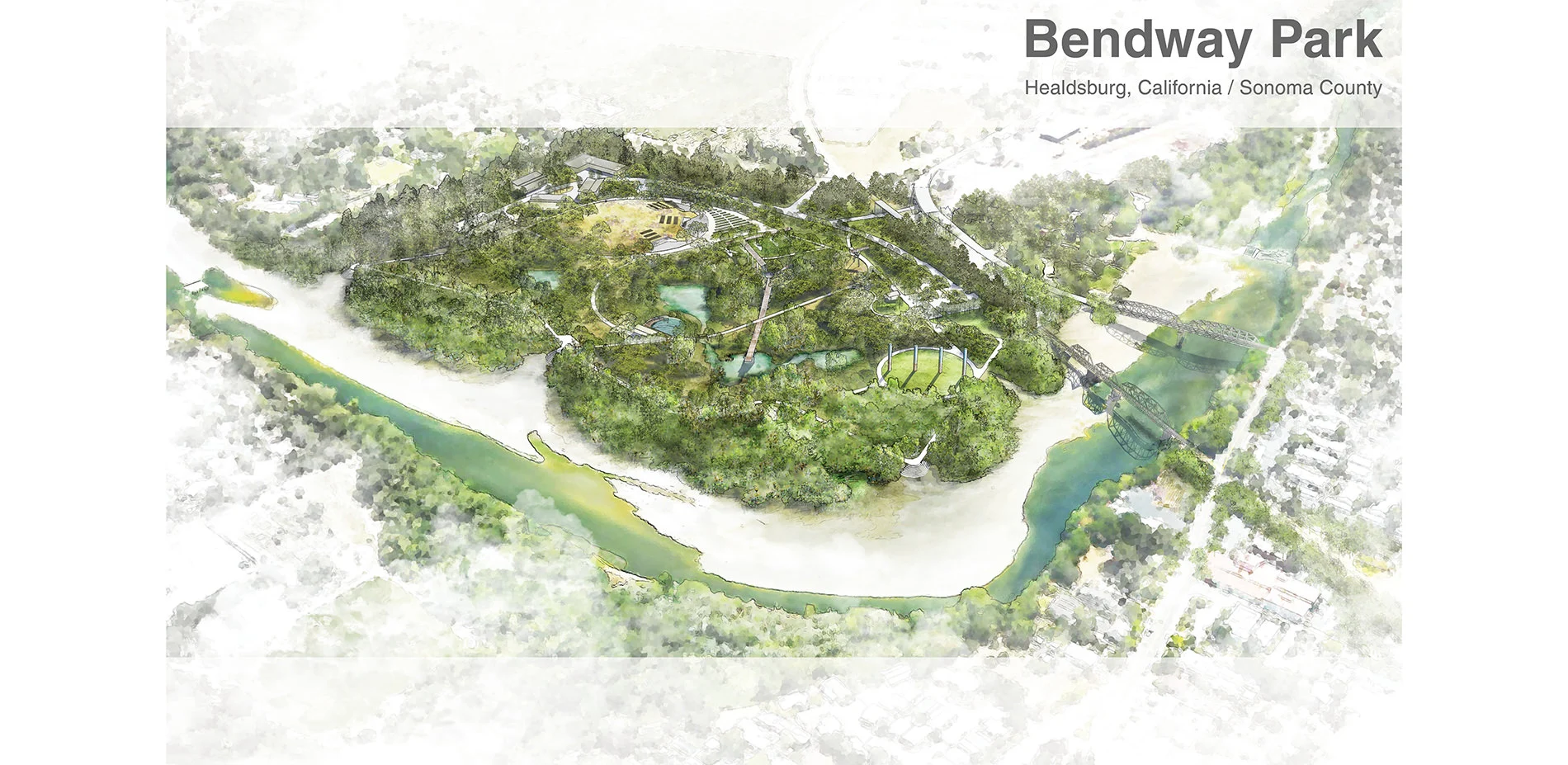
Bendway Park
For over a century, large stretches of the scenic Russian River have been dominated by industry, leaving small towns like Healdsburg, California with a broken link between the community and the beauty and resources of the river. With over 60% of the town's riverfront occupied by a gravel processing facility on a site known as the Healdsburg Bendway, virtually no space is available for the needs of the people or environment.
The Bendway Park proposal revitalizes a 100-acre industrial

FOGFEST - California Fog Collection Festival in Highway 1
Welcome to FOGFEST, the first festival of fog collection in California. Fogfest is the opposite of Burning Man, it is a festival about the individual, where everyone can create and test their own devices to collect water from the clouds. The Festival takes place in Highway 1 (Pacific Coast Highway), a landscape that is well known for the power of its geological features, however Fogfest tries to create awareness about the atmosphere, connecting us with one of California Coast's biggest asset
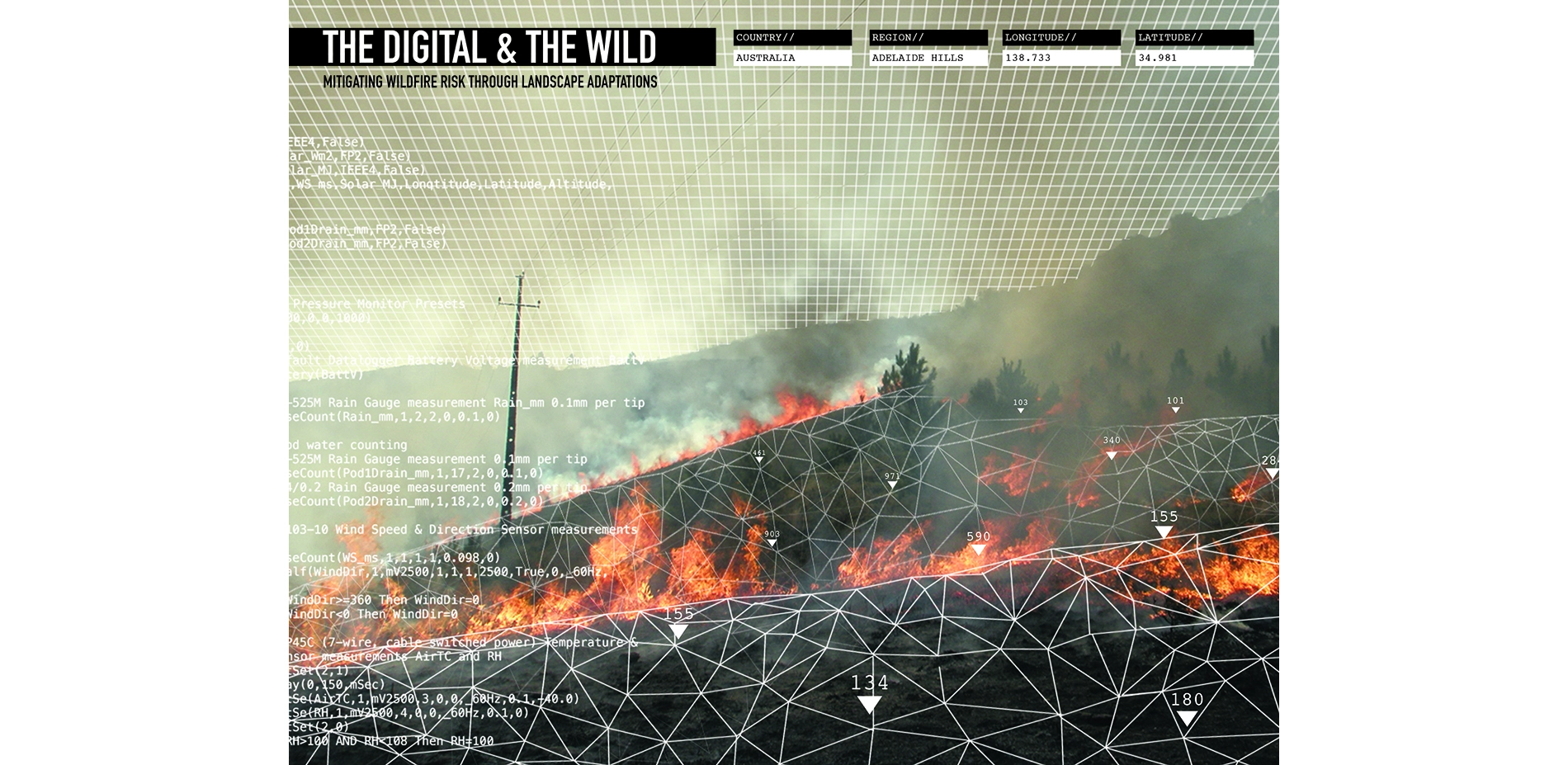
The Digital & The Wild: Mitigating Wildfire Risk Through Landscape Adaptations
Fire plays a critical role in the ecological processes of the Australian landscape. But when wildfires become uncontrollable, human lives and infrastructure are put at risk. Rising temperatures and fewer rainfall days resulting from climate change is extending the wildfire season, making wildfires even more difficult to contain. Using Cleland Conservation Park in South Australia as a testing ground, this thesis hypothesizes mitigating wildfire risk through digital environmental monitoring se
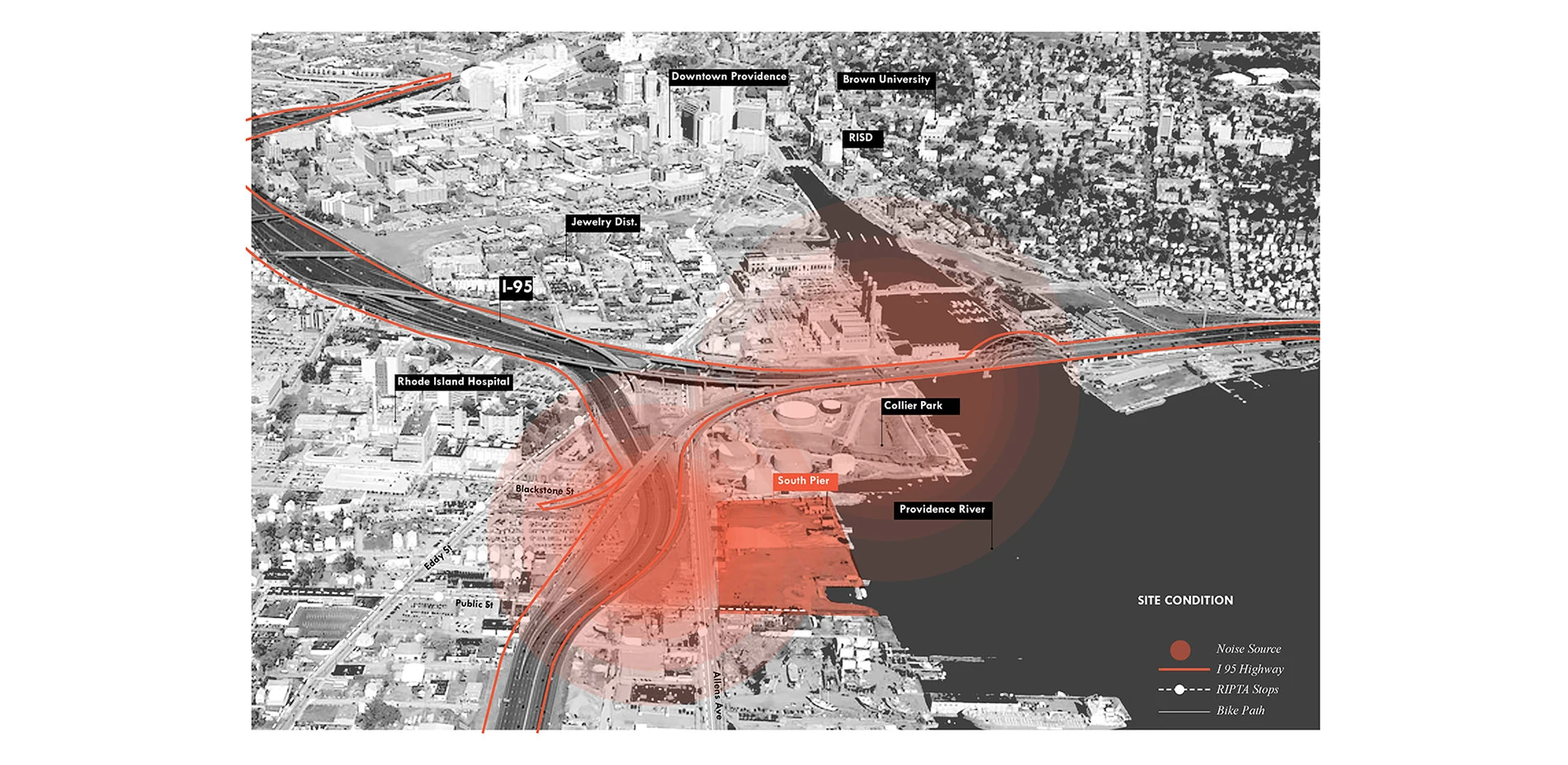
Urban Ecological Melody
What does urban ecology sound like?
The design for South Pier Park in Providence, Rhode Island, seeks to provide habitat for species as well as human access to the waterfront in an urban context. By introducing two main target species with strong acoustical characteristics, the proposal of this project develops a sound co-habitat. When going through from the city to the water, visitors experience a transition from the sound of the I-95 highway into the site, moving from the sound of
Residential Design Category
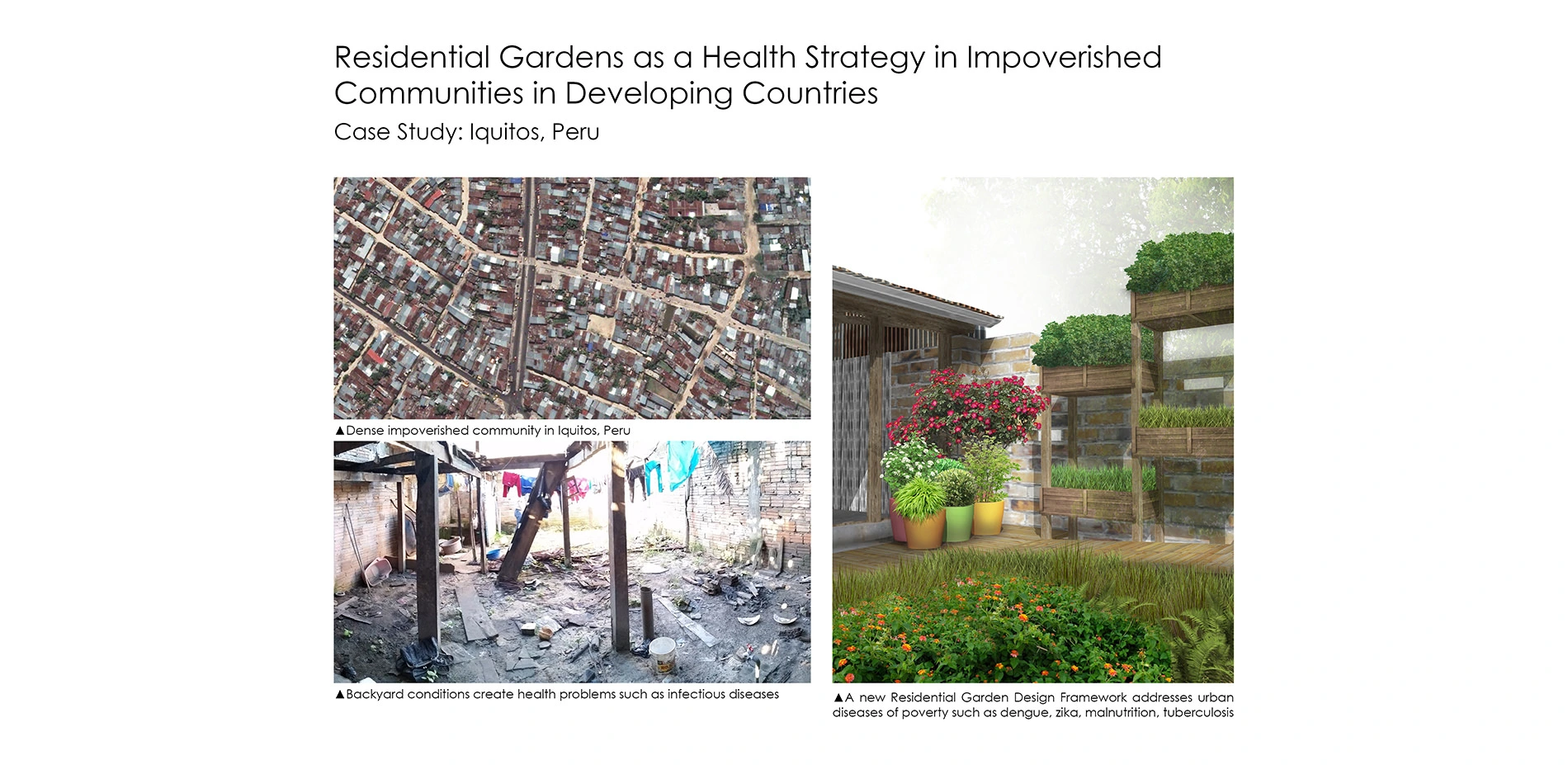
Residential Gardens as a Health Strategy in Impoverished Communities in Developing Countries: A Case Study in Iquitos, Peru
In recent years, the health disciplines have acknowledged the critical role of the environment, including landscape architecture, on human health. Poor environmental conditions become underlying causes for many health problems, and especially urban diseases of poverty in developing countries. Landscape architectural interventions can mitigate the burden on health and become a preventive and treatment health strategy. In the impoverished city of Iquitos in the Peruvian Amazon Rainforest, residential backyards are neglected spaces that create and exacerbate health problems such as vector-borne diseases and parasitic infections. This project proposes a design framework for affordable and beautiful backyard gardens that address a multitude of health problems such as malnutrition, parasites, infectious, mosquito-borne, and air-borne diseases and provide numerous additional positive benefits for human and ecological health such as habitat creation, increased biodiversity, and improved mental, social and physical health and wellbeing. Replicating this framework at the urban scale and implementing as a health strategy may have a significant positive impact on human and ecological health.
Analysis and Planning Category
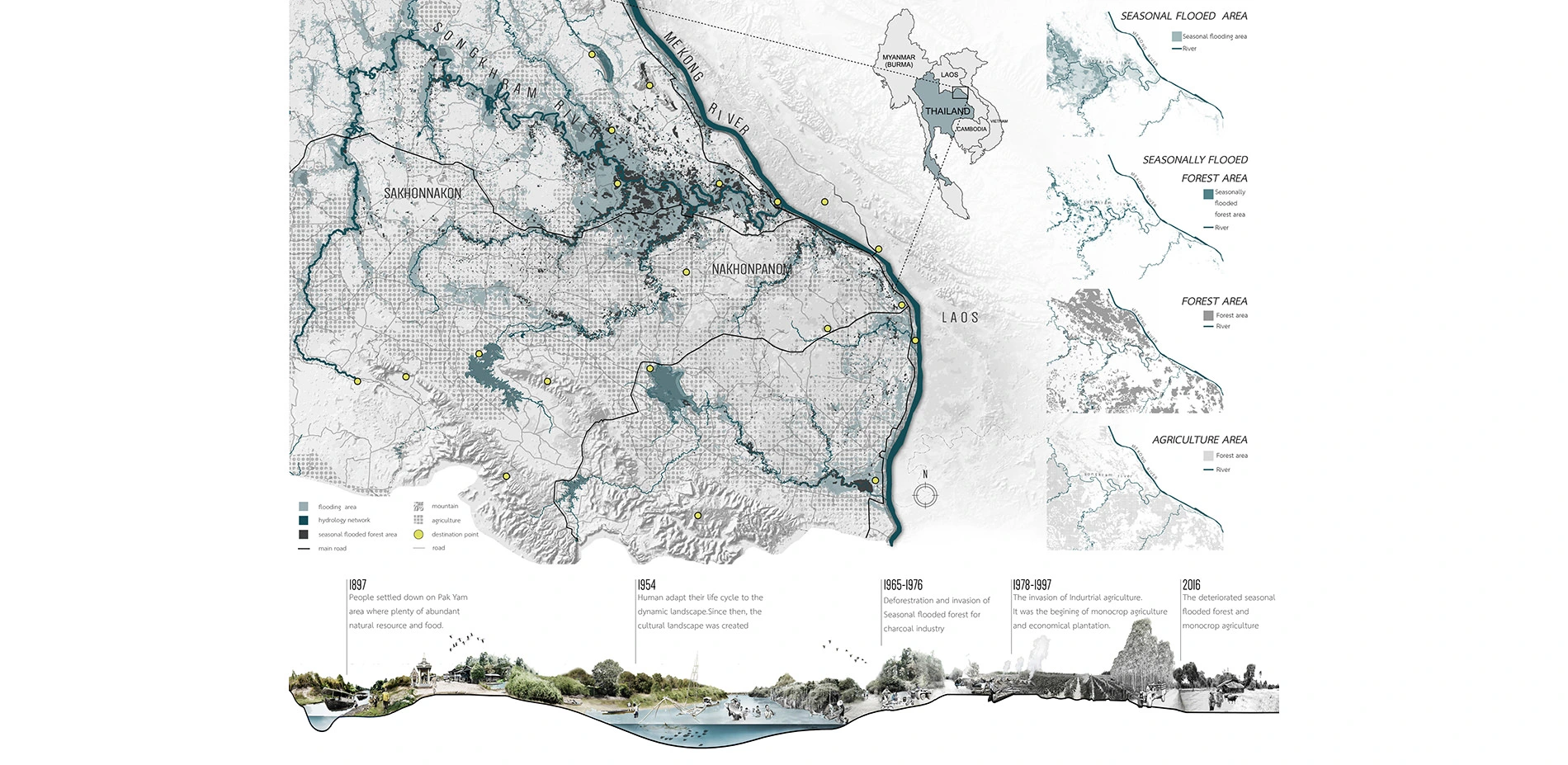
Amphibious Culture: Harmonizing Between Life and Seasonally Flooded Forest
Located in Nakhon Phanom province, northeast of Thailand, this proposal aims to reclaim and preserve Seasonally Flooded Forest that was trespassed and destroyed by charcoal industry and industrial agriculture since 1965. By restoring and conserving the seasonal flooded forest in area of Pak Yam village, a rural landscape is proposed to relink human to seasonally flooded forest which was harmonized between life and nature, to create the space for better quality of life and become Nakorn Panom's provincial tourist attraction, in terms of ecology and cultural landscape. Understanding this dynamic landscape that benefits positive effects toward human beings, Ecological Gateway to seasonally flooded forest, educational space between interface of seasonally flooded forest and Dry evergreen forest have been proposed to the area. Through analysis on seasonally flooded area, landscape character, vegetation, annually activities and site potential, adaptable design is the key for living on this area and symbolizing the awareness to other people.
Analysis and Planning
Honor Awards
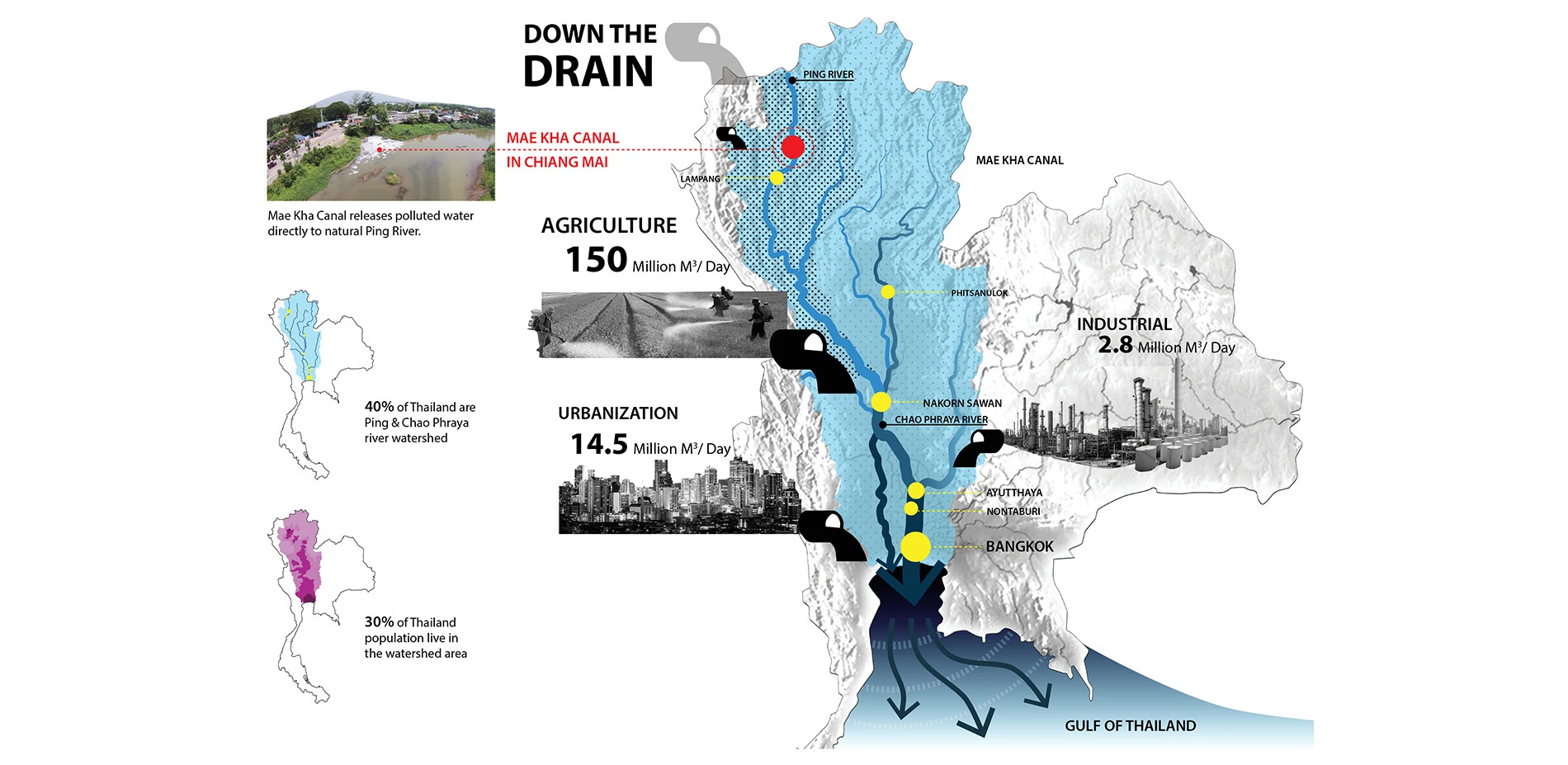
Creating Sustainable Future of Mae Kha Canal in Chiang Mai, Thailand
Having roles as a city guardian, cultural features, and irrigation system, Mae Kha Canal was one of the most important components of Chiang Mai water system. Unfortunately, the unregulated growth due to a rapid urbanization since 1985 has caused the canal to suffer with massive amounts of pollution. As a consequence, the city turns its back on the canal, and makes it a dumping site. This project provides a comprehensive study and thoroughly analysis in historical, environmental, and planning
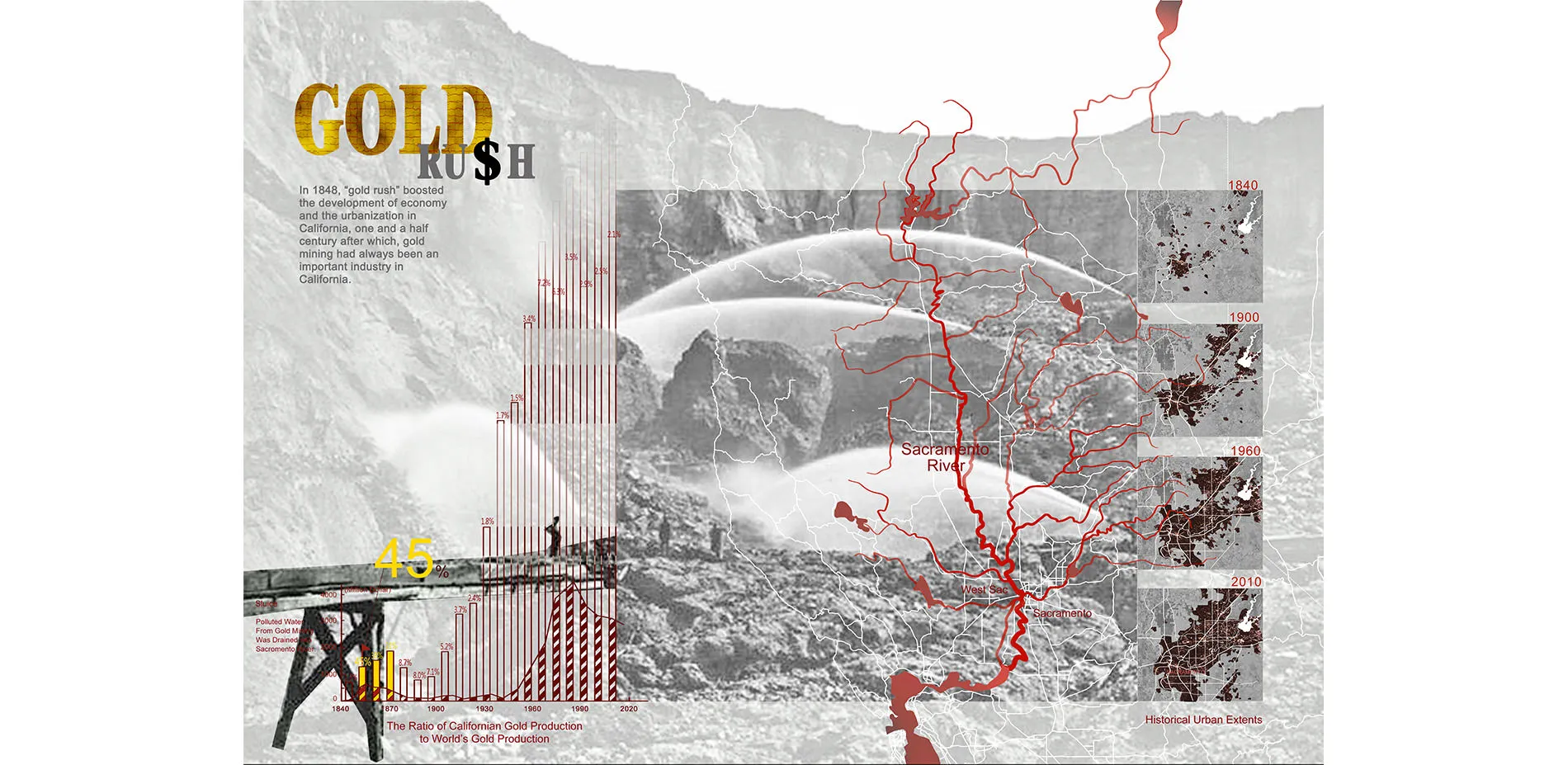
From Gold to Pearl: A Framework of Eco-friendly Industry Catalyzing River Revitalization
The project, named 'from Gold to Pearl' proposes a framework of eco-friendly industry catalyzing river revitalization for river waterfront landscape design and takes advantage of various ecological problems, such as an excess of sediments and heavy mental and degradation of riparian habitats that stem from Gold Rush, as opportunities for Sacramento River revitalization. This project seeks to make full use of the unattractive vacant areas along Sacramento River in order to achieve riparian ha
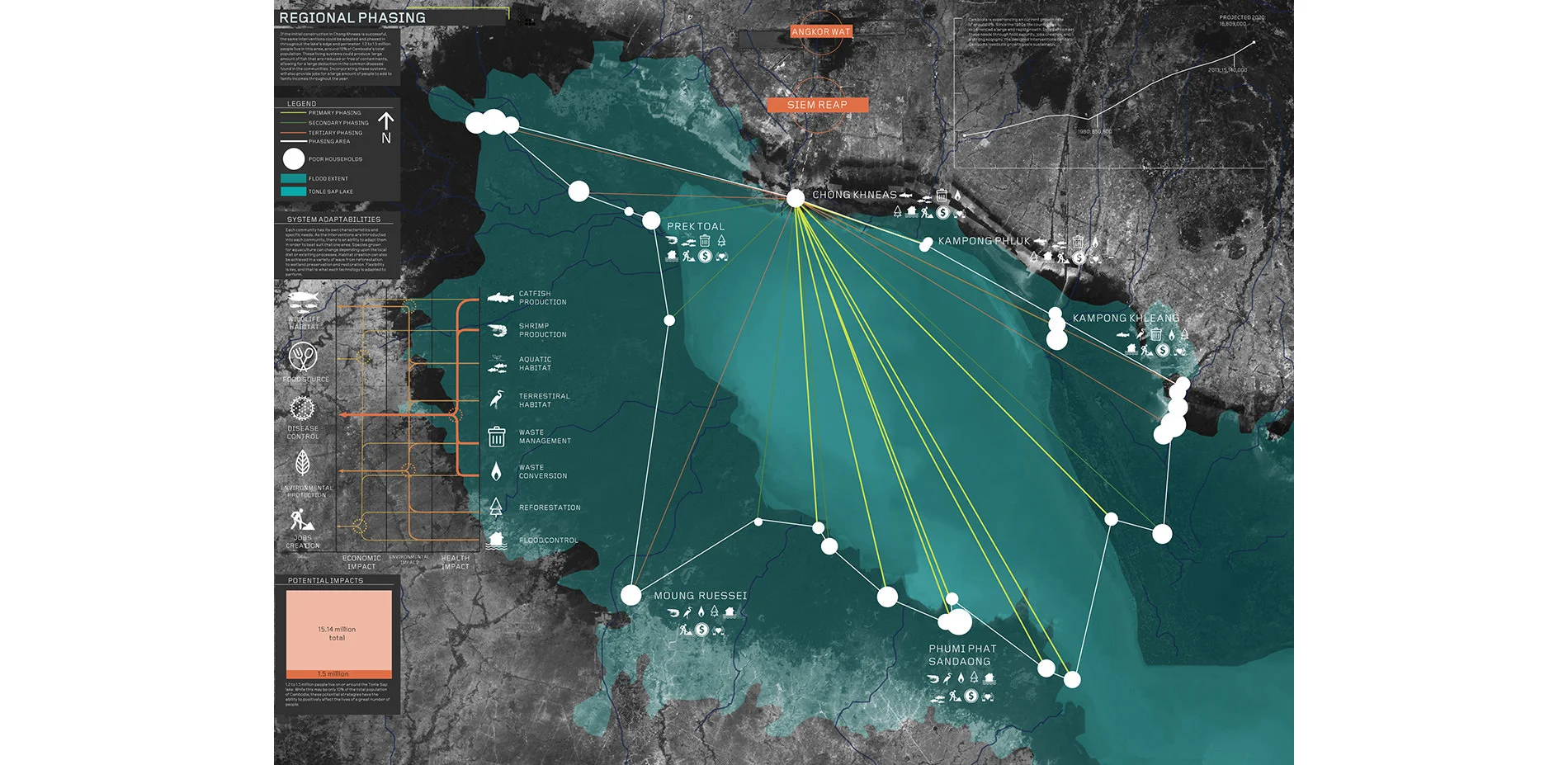
Harnessing the Beating Heart: Living Systems Infrastructure on Tonle Sap Lake, Cambodia
As the largest freshwater lake in Southeast Asia, Tonle Sap, located in the heart of Cambodia, is a highly productive and volatile system. Currently, 1.2 to 1.5 million people move with the lake’s temporal change each year, but live in poor and unhealthy conditions. The goal of the project is aimed at how to interpret the native landscape and nature of the lake while improving the overall quality of life for the communities that call it home. Three main strategies are designed to improve the
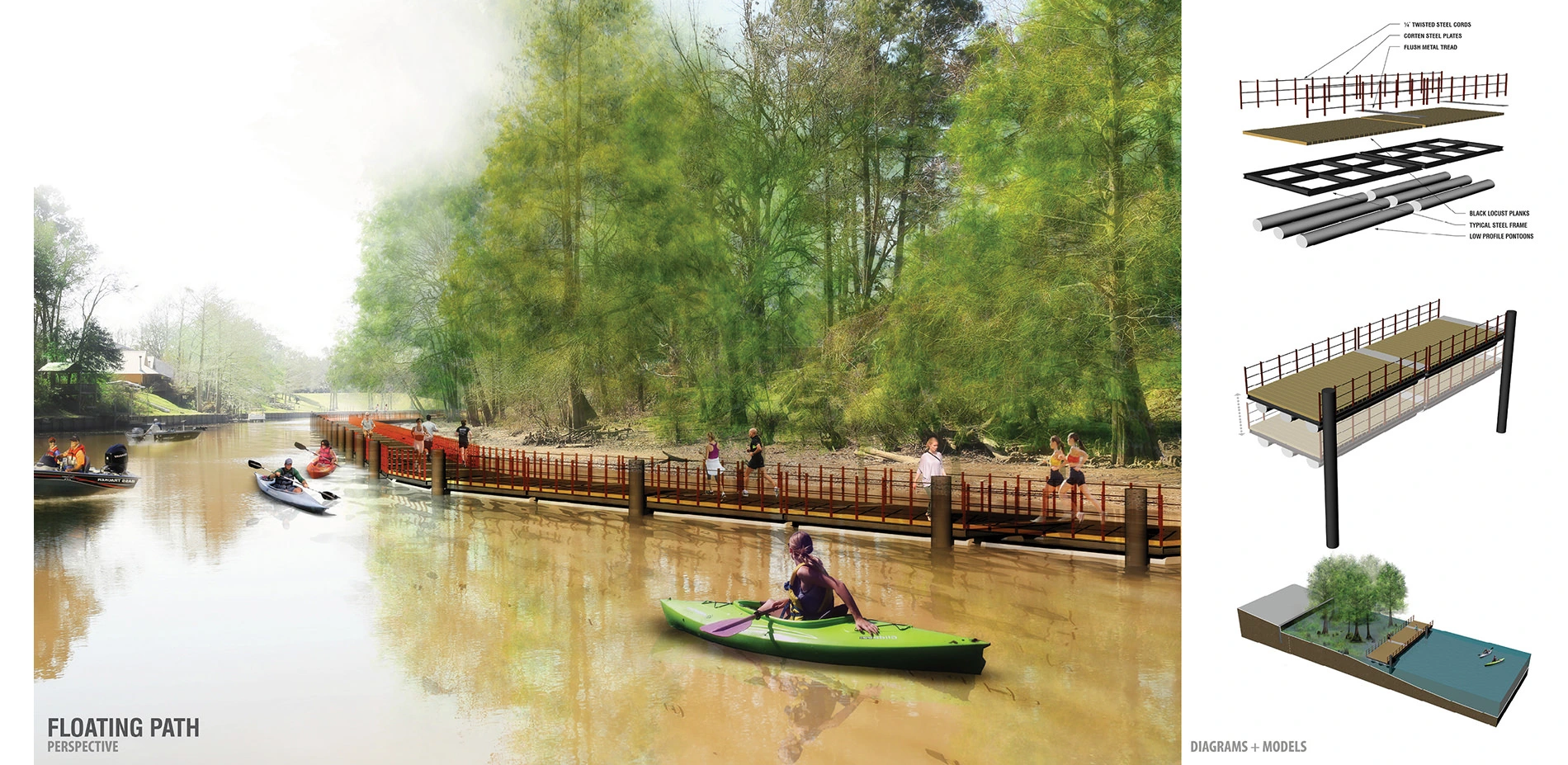
The Vermilion Corridor: Rediscovering the Waterways of Southern Louisiana
This project, located in Lafayette, Louisiana, aims to establish a connection among open spaces along Bayou Vermilion in order to enhance its use as a cultural, economic, ecological, and open space amenity. Like many other small communities in Louisiana and elsewhere, Lafayette turned its back on the waterway that facilitated the area’s original settlement. Much of the land along the bayou is privately owned and residential, with public access limited to a few critical points; at which, this
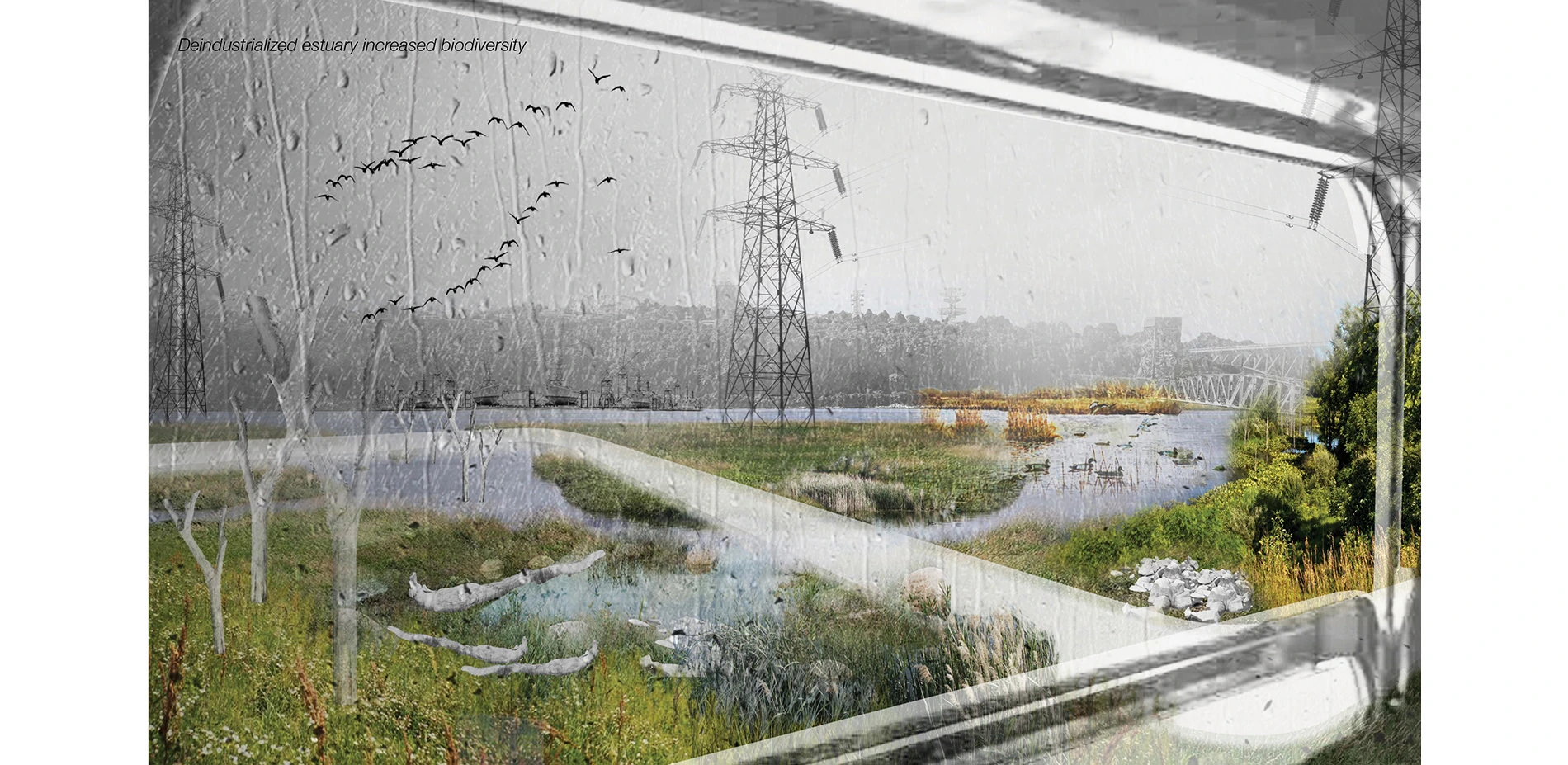
PHYTO-Industry: Reinvigorating the North Vancouver Waterfront through a phased remediation process
PHYTO_Industry seeks to develop a phased remediation strategy that combines existing industrial land-use with future urban development, revealing the social and ecological potential of the site. Shoreline dynamics and ecology; industrial operation and evolution; historical context and economic development; and in-situ site remediation will drive the creation of a multi-functional green belt that supports resilient shoreline ecologies, urban redevelopment and a variety of social spaces.
<
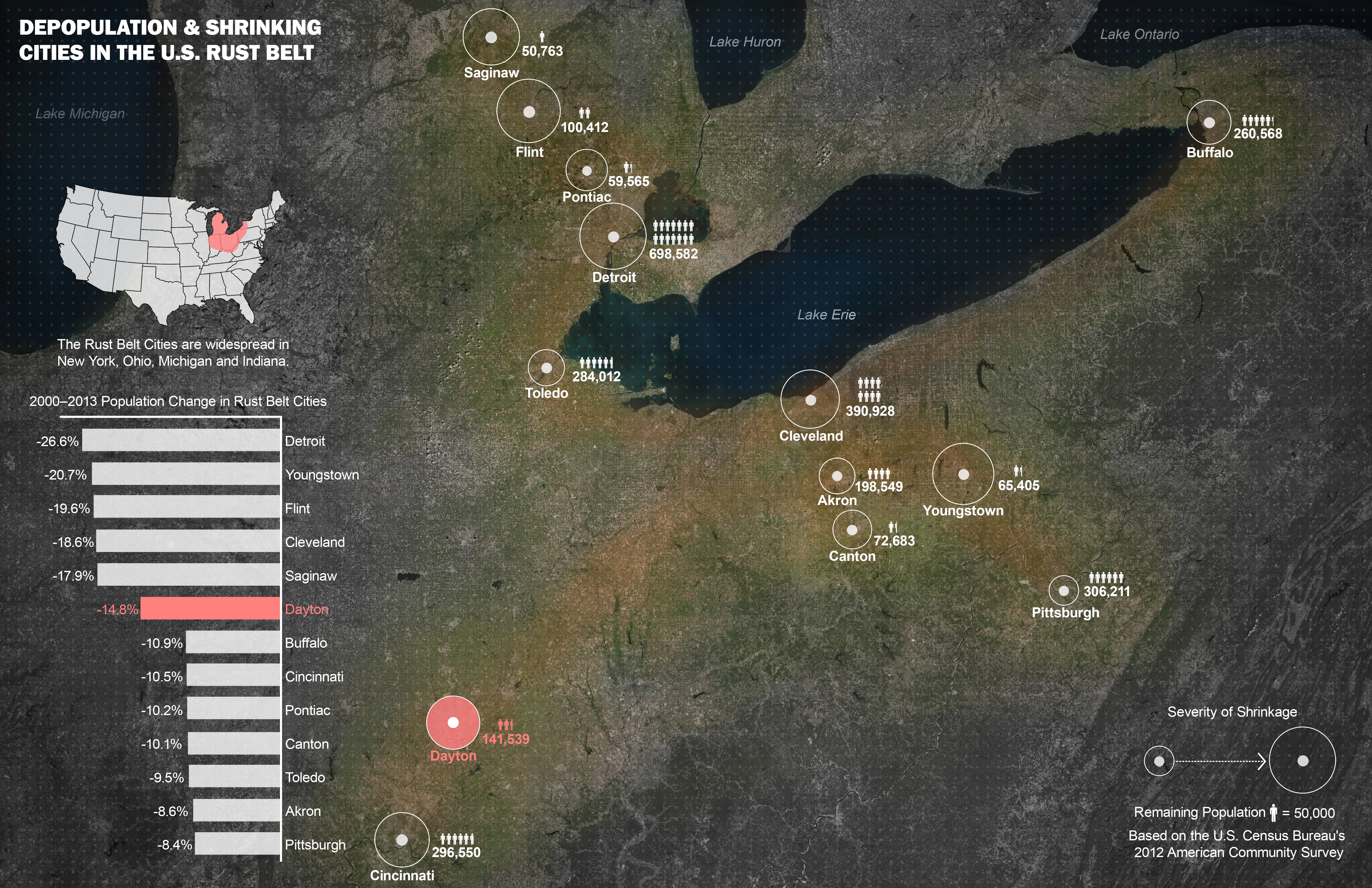
Sifting the Landscape: Transforming Vacant Lands through Smart Decline
Many cities are currently facing severe shrinkage globally, resulting in increased vacant urban land and structural abandonment. As such, massively depopulating urban areas are now seeking ways in which to more intelligently manage deteriorating neighborhoods while strategically locating development in growing areas. This project aims to develop a design framework for Smart Decline through reclaiming and repurposing vacant lots. The approach emphasizes the implementation of development in dense
Research Category
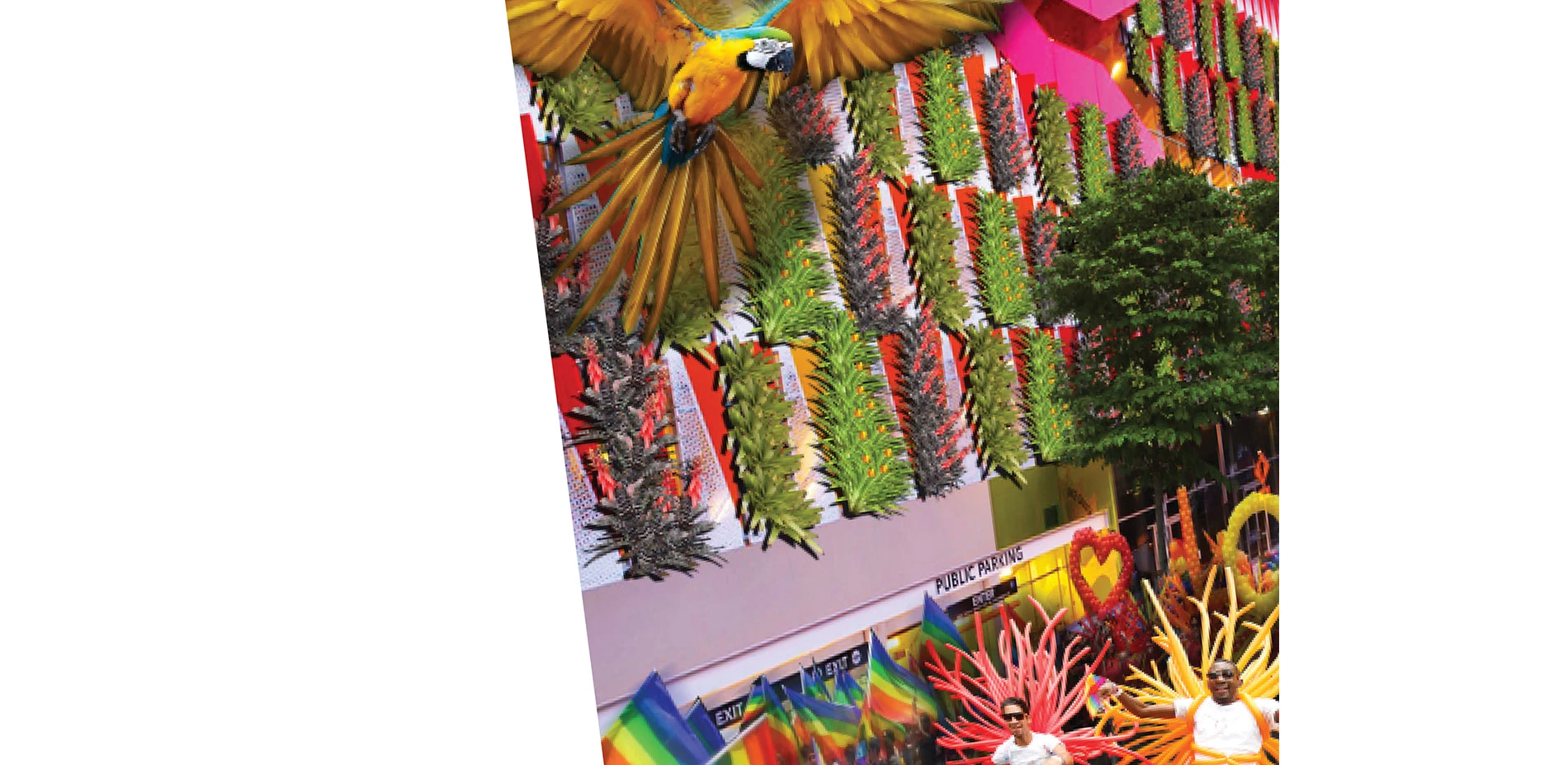
Feasibility Study of the Integration of Epiphytes in Designed Landscapes
Landscape architects are the designers of a brilliant amount of surfaces. There is distinction, however, between surfaces’ abilities to foster plant life. The first major distinction divides landscape surfaces into hardscapes and softscapes. Traditionally, hardscapes, in comparison to softscapes which are comprised of soils or soil-like media for plant life, have not been designed to host plant life. Epiphytes, plants with the ability to grow without soil, however, could bring life to hardscapes where traditional planted systems have not thrived. This project contextualizes epiphytes for the landscape architect by describing elemental epiphyte relationships and preliminarily exploring the feasibility of hardscape materials as hosts for a representative epiphytic plant, the rabbit’s foot fern. A better understanding of epiphyte relationships, can facilitate future human developments as suitable hosts for epiphytes. Increased opportunities for biodiversity through the use of epiphytes can improve the dynamism and resilience of integrated landscape systems in the built environment.
Research
Honor Awards
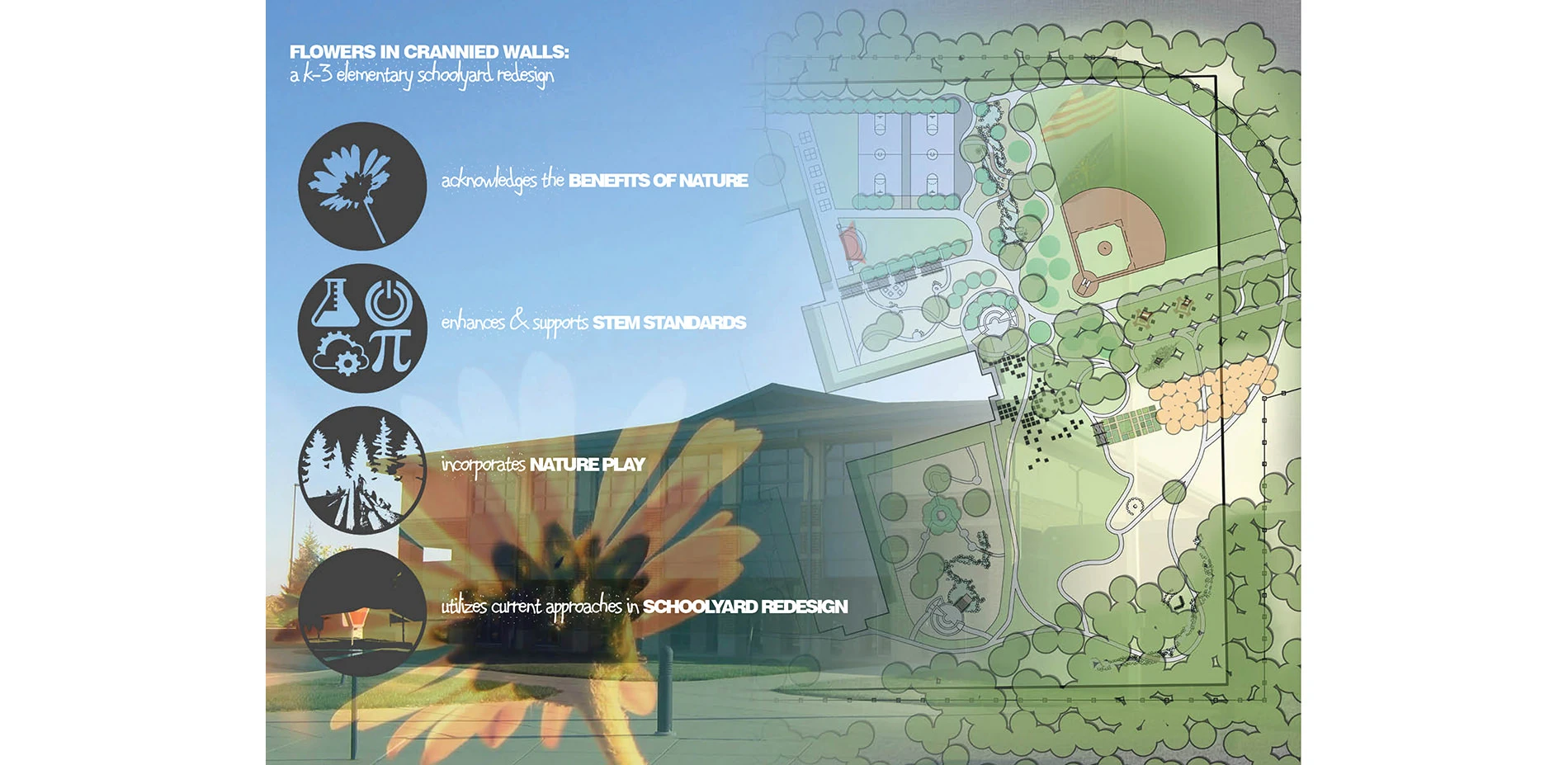
Flowers in Crannied Walls: An Elementary Schoolyard Redesign
Studying a relationship between landscape architecture and education, this research operates under three timely and significant ideas: the widely-held notion of a floundering relationship between children and nature, standards-based education, and schoolyard redesign.
In addressing these topics, the research:
Aims to demonstrate how schoolyard design may maximize opportunities for children to have meaningful contact with nature or natural elements each day.
Aims to
Communications Category
Honor Awards
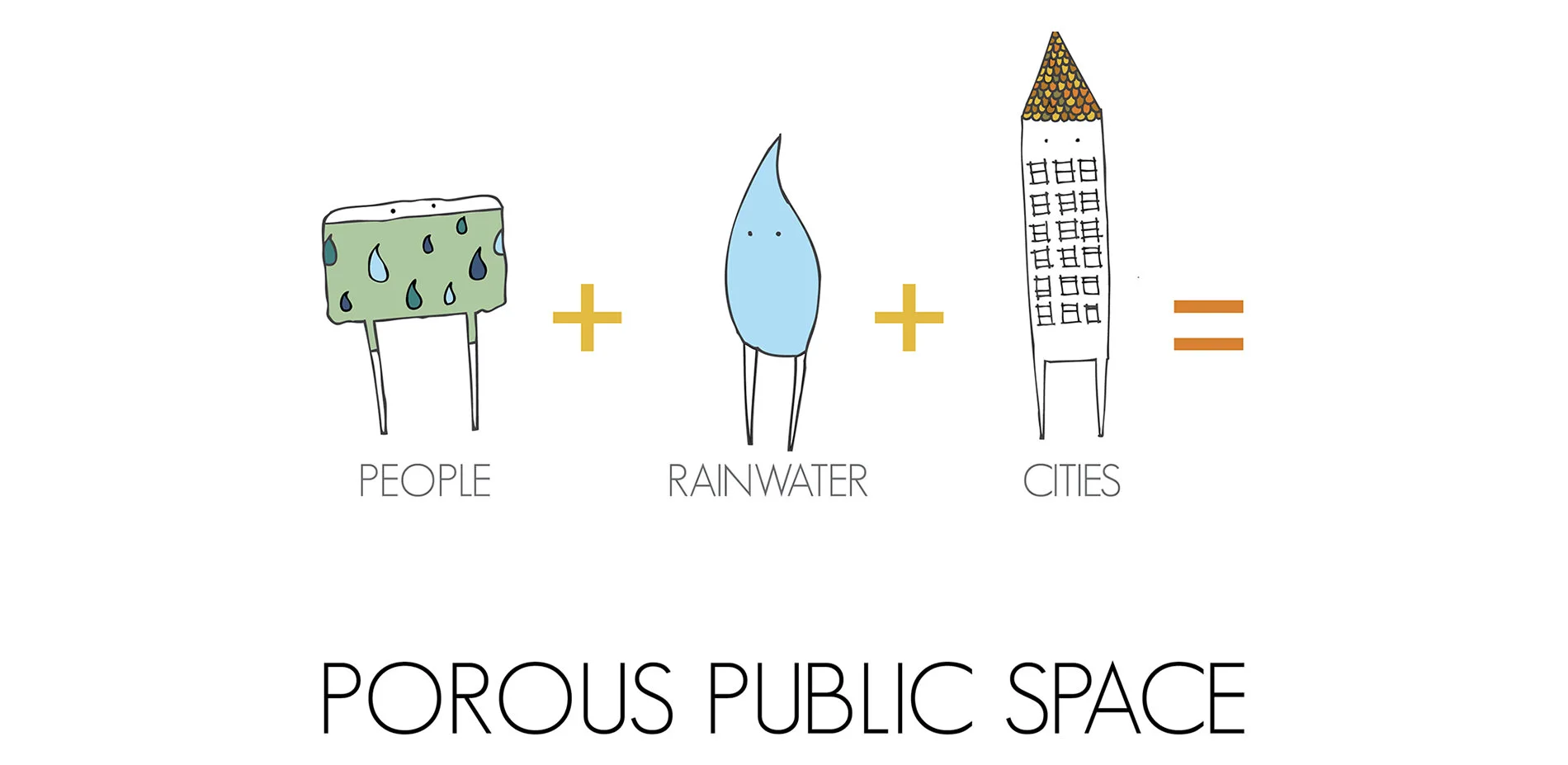
Porous Public Space: People + Rainwater + Cities
Our porous public space booklet takes the reader on a whimsical journey, playfully intertwining people and rainwater in our cities. It is a tool to deconstruct the concepts and terminology of green stormwater infrastructure because, although the term is widely understood in built environment fields, to the layperson the phrase can often be meaningless. We break the concept down to the basics of designing our built environment to improve both human and watershed health, framing the environmen
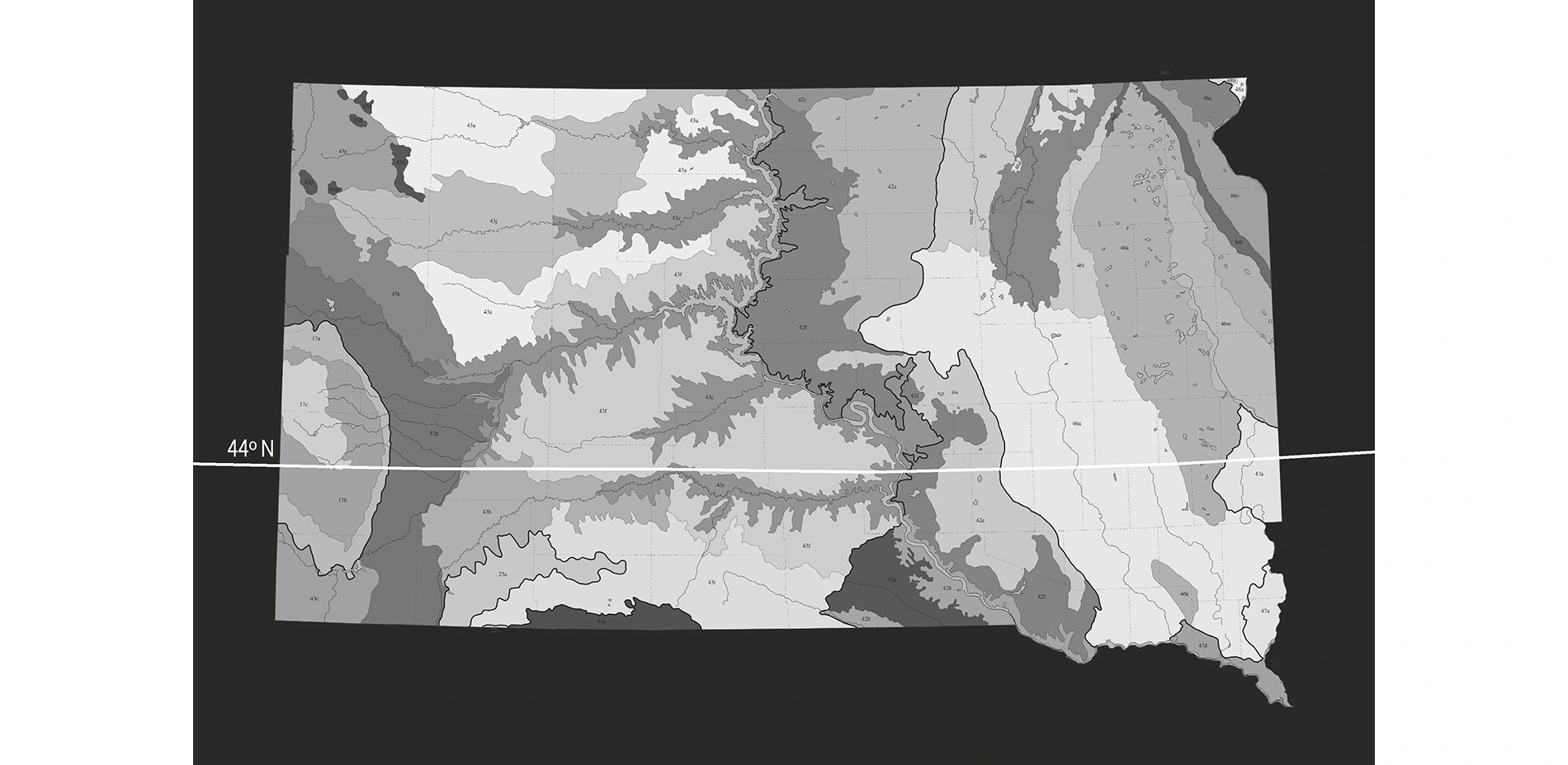
South Dakota Transect: 44 Degrees North
South Dakota Transect is an accordion book that transects the state of South Dakota in half from West to East along the 44th parallel and looks at the plant material along that parallel through its association and dependence on climate, temperature, precipitation, soil substrate, top soil, organic matter, water holding capacity and other cultural requirements. The state of South Dakota, located in the Northern Great Plains, is divided in half by the Missouri River. At first glance, the state
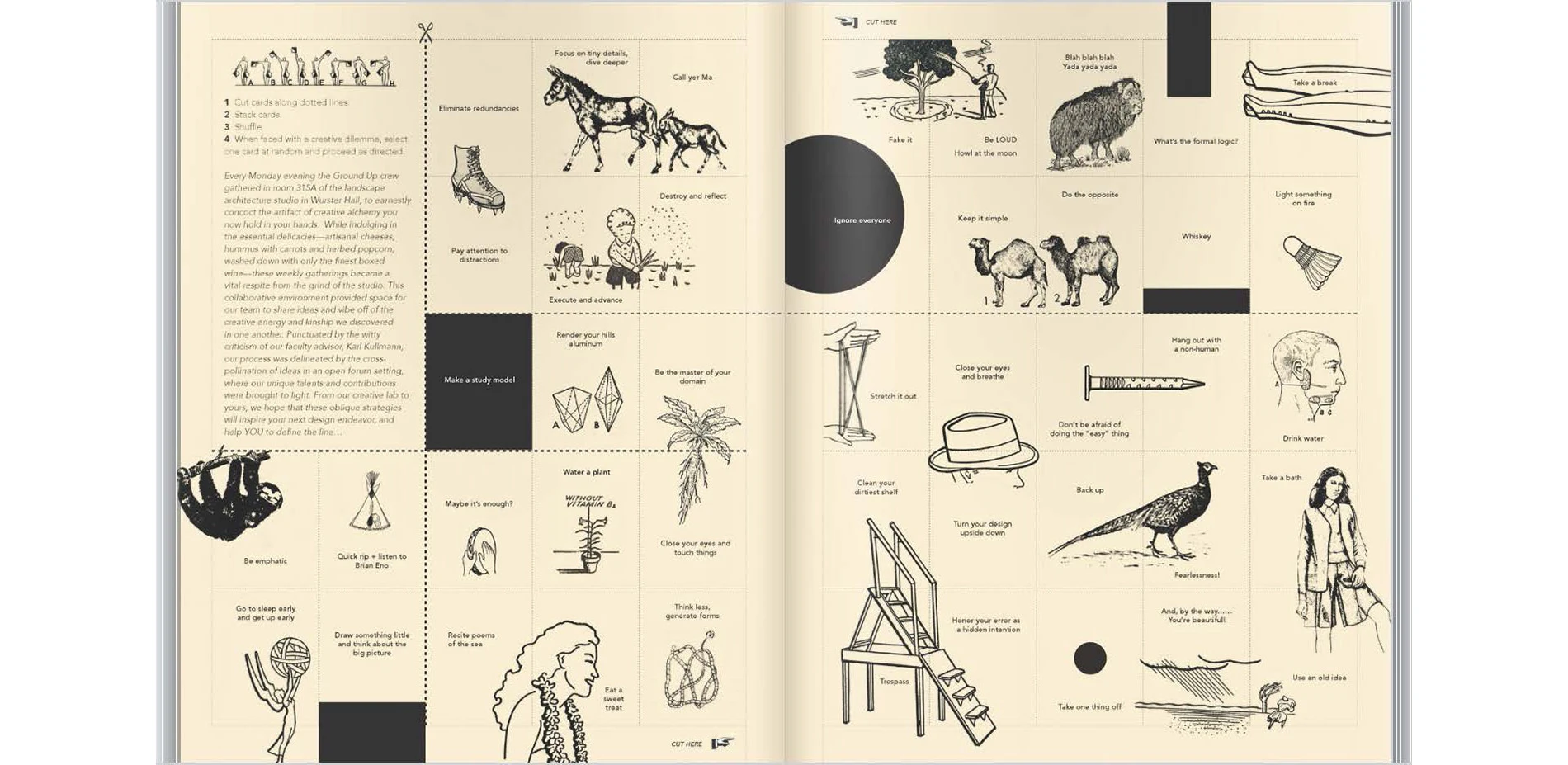
Ground Up Journal Issue 5: Delineations
GROUND UP: Is the student journal of the Department of Landscape Architecture and Environmental Planning, College of Environmental Design, UC Berkeley is an annual print and web publication intended to stimulate thought, discussion, visual exploration and substantive speculation about emerging landscape issues affecting contemporary praxis. IS an examination of a critical theme arising from the tension between contemporary landscape architecture, ecology and pressing cultural issues. IS inte
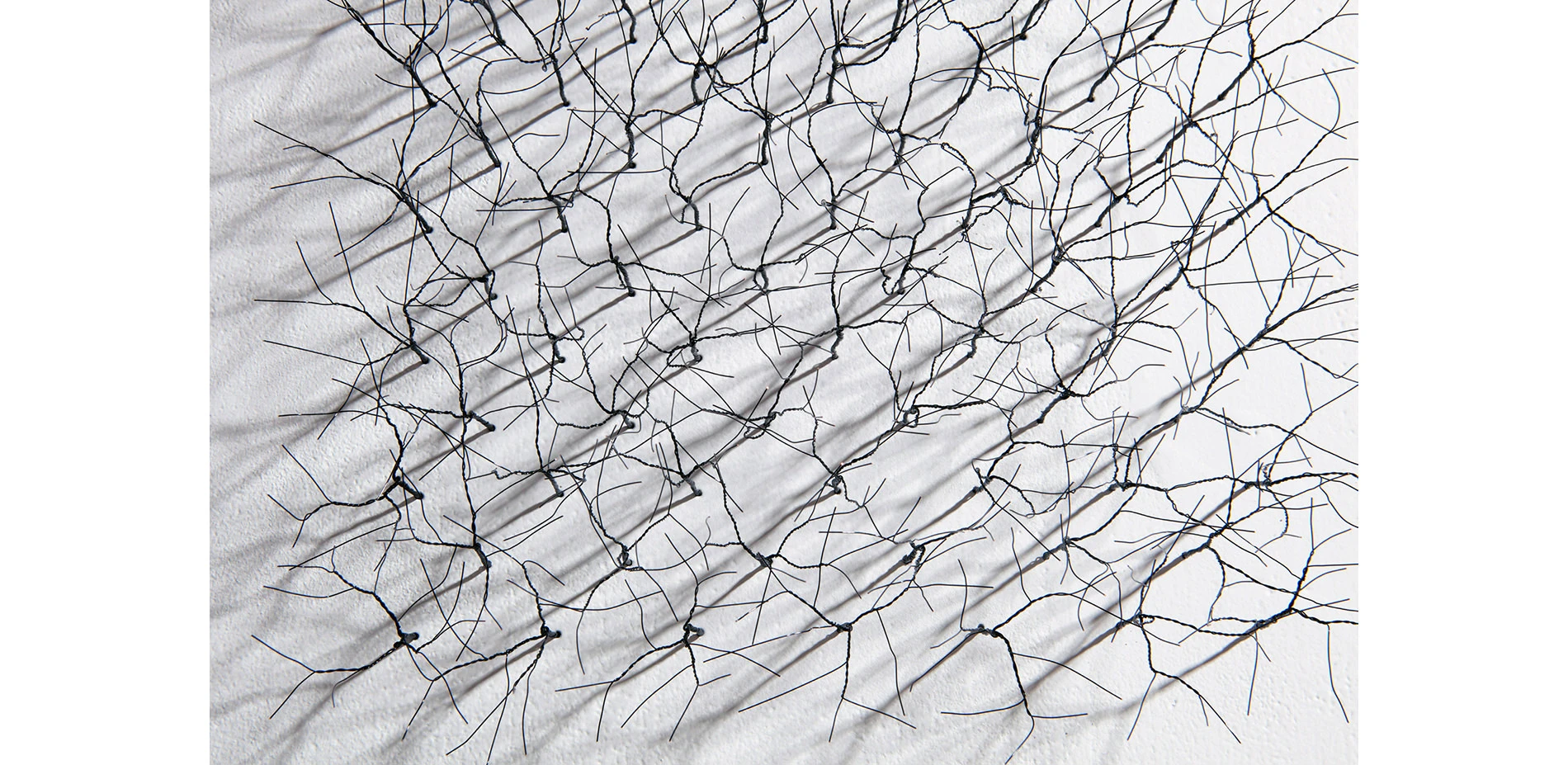
Dan Kiley Landscapes in Bartholomew County, Indiana and Planting Typologies at the Miller Garden and North Christian Church
This project is a student exhibition exploring and expanding our understanding and appreciation for planting as learned through investigating Dan Kiley’s most influential projects in the second installation of this curated work, but also augmented by 2d and 3d mixed-media sculptures. The analytical components created specifically for this exhibition evolve to highlight the complexity, beauty and design opportunity in creating spaces through planting typologies using an unique approach to ill
Community Service Category
Honor Awards
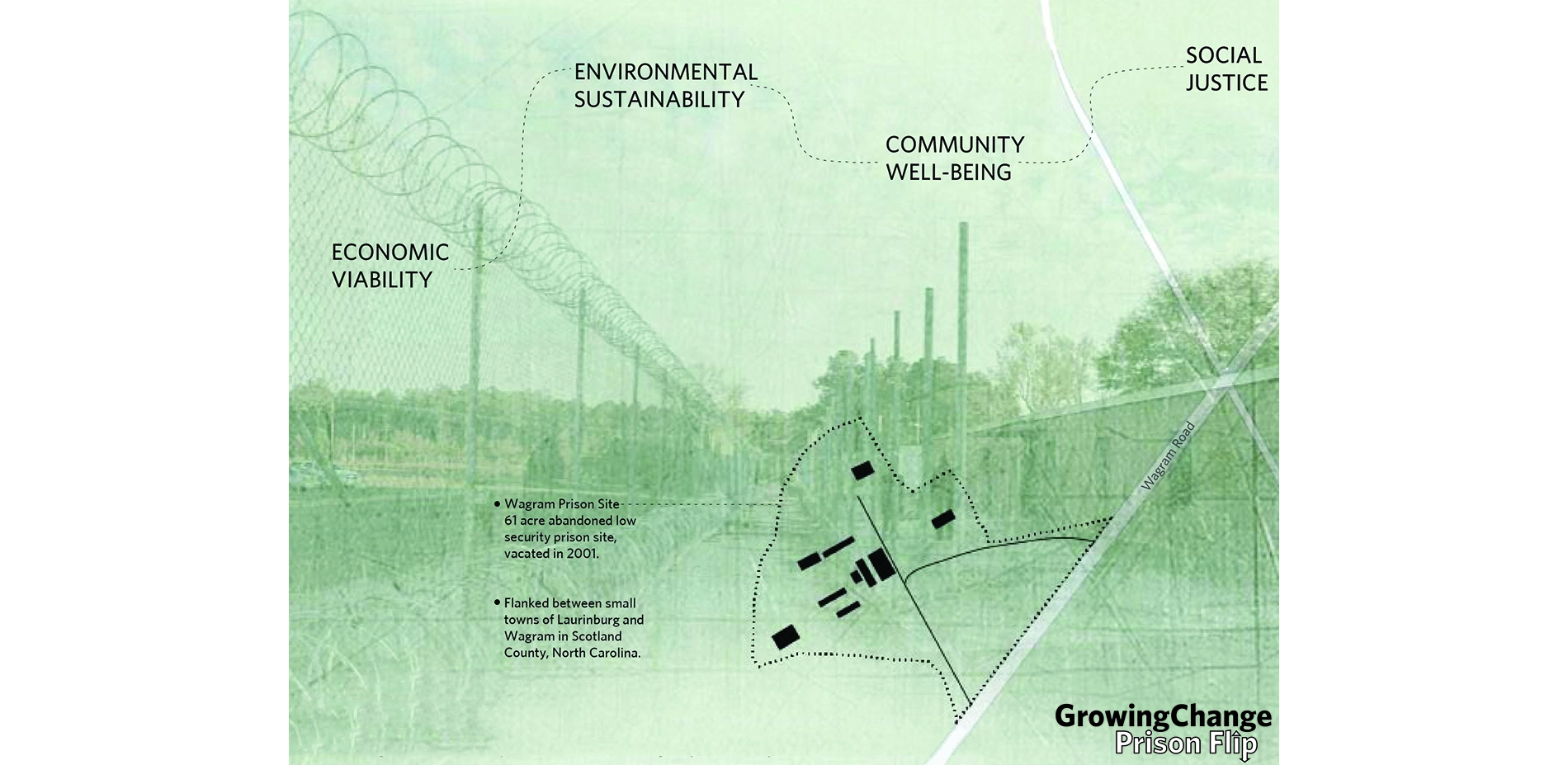
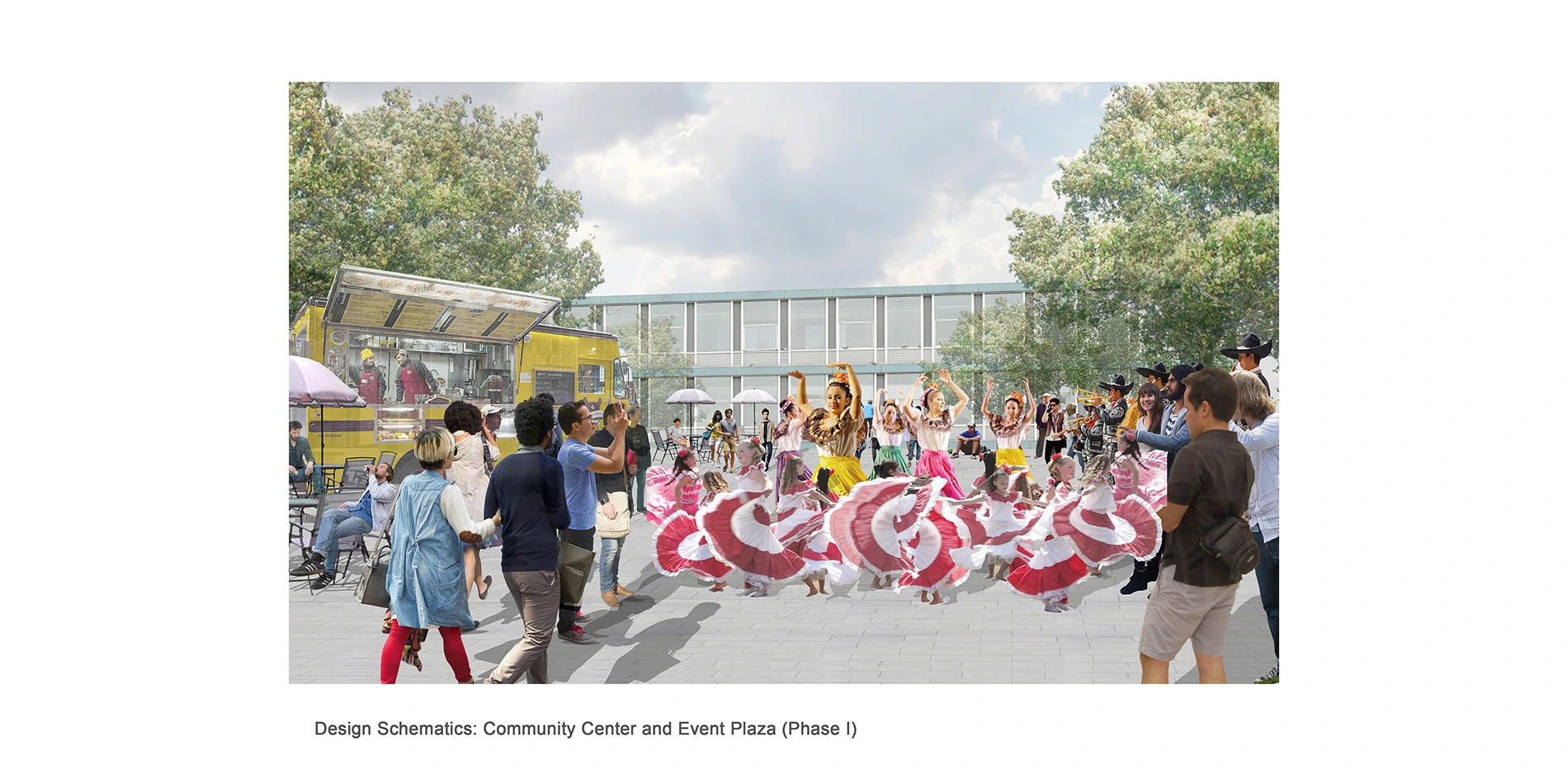
GrowingChange Prison Flip: Reclaiming an Abandoned Prison Site
Recent pressing societal challenges present the importance of working in rural areas to create environmentally, socially, and economically sustainable communities. Student design teams in partnership with the youth empowered non-profit organization, GrowingChange addressed unique challenges existing in Scotland County, North Carolina, such as an increasing number of underutilized brownfield properties; an escalating number of youth falling into the justice system; a lack of job opportunities
Neighborhood Detox: Enhancing Resilience in a Hazard Vulnerable Area
Enhancing resilience in physically vulnerable areas and amongst socially vulnerable populations is most effective with participation from the local community. Engaging population groups who are often left out of the design/planning process and can thereby be untrusting of authorities can be a challenge. This design incorporates an approach that transforms numerous hydrological risks into citizen driven methodologies for data collection and design decision making. The engagement process speci
Student Collaboration Category
Honor Awards
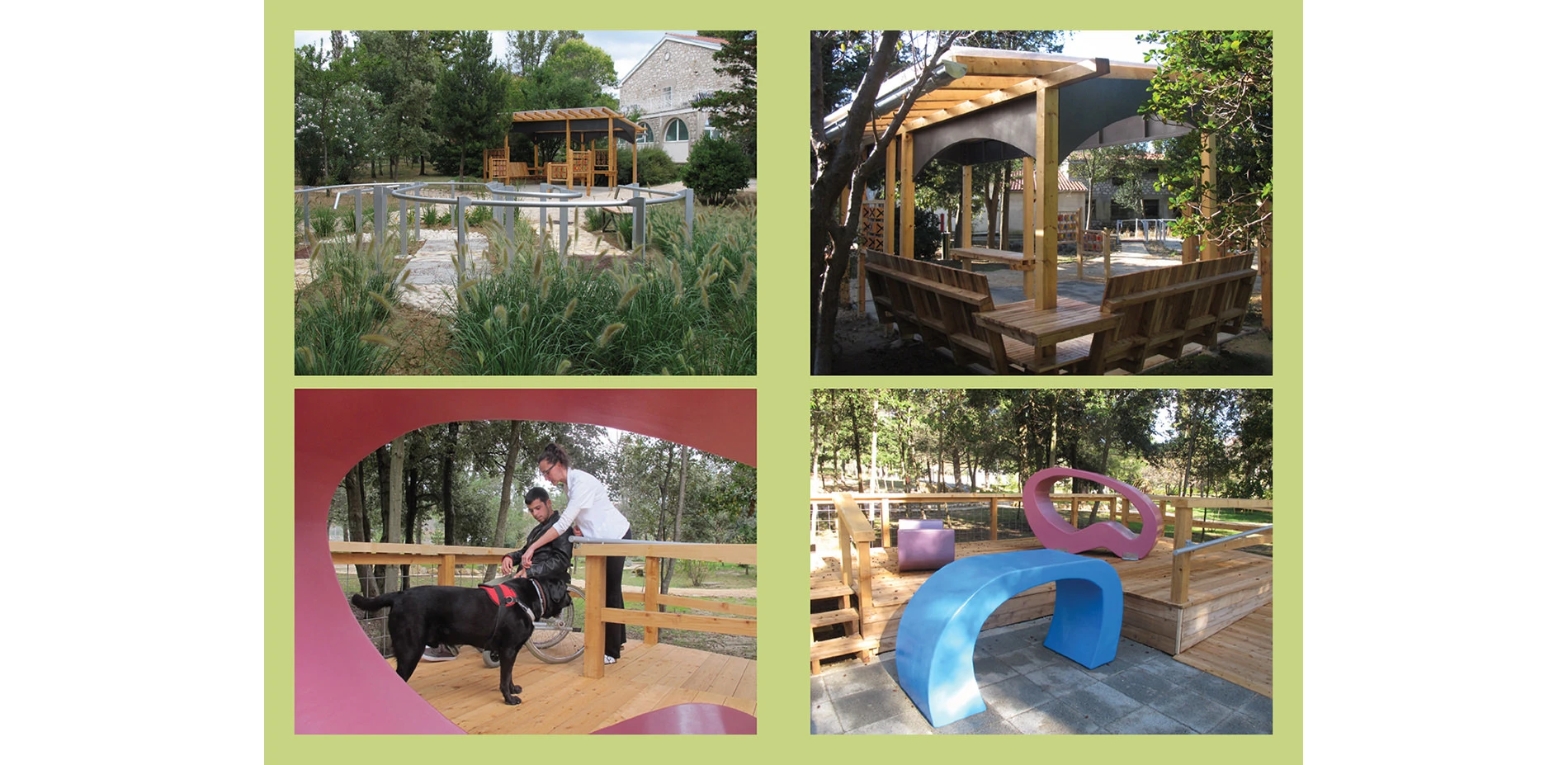
Bridging Disciplines/Cultivating Health: Using a collaborative international community design/build model to facilitate mental health treatment
Green environments that support rehabilitation, healing and respite, offer significant benefits to those suffering from mental illness. Long ignored and stigmatized by the design professions and society at large, landscape architects bring the expertise to design innovative therapeutic opportunities for those being treated for mental illnesses. Through a collaborative, real world, applied service learning project, LA students collaborated with therapeutic disciplines including physical, occu
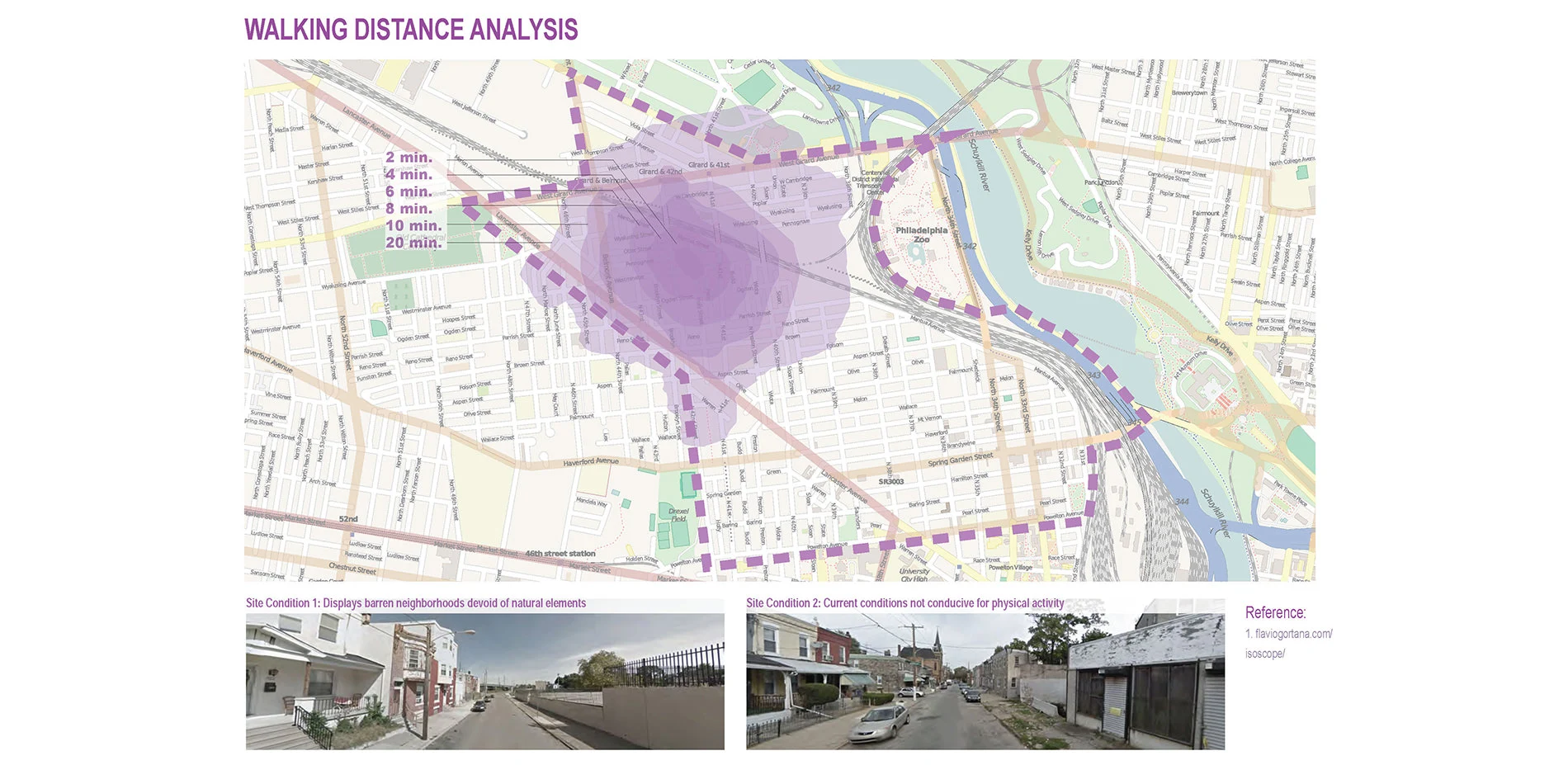
Seeding Sideyards
The Belmont/Mantua neighborhood in Philadelphia is facing considerable challenges of an economic downturn, increase in crime rate and lack of active living environment. As a result, streets have become deserted and health issues such as obesity and mental disorders have emerged. However, traditional design approaches that target public spaces cannot provide accessible destinations for all population in the dense neighborhoods.
To provide healthy environments where all people thrive,